
What New York Healthcare Organizations Need to Know About Compliances
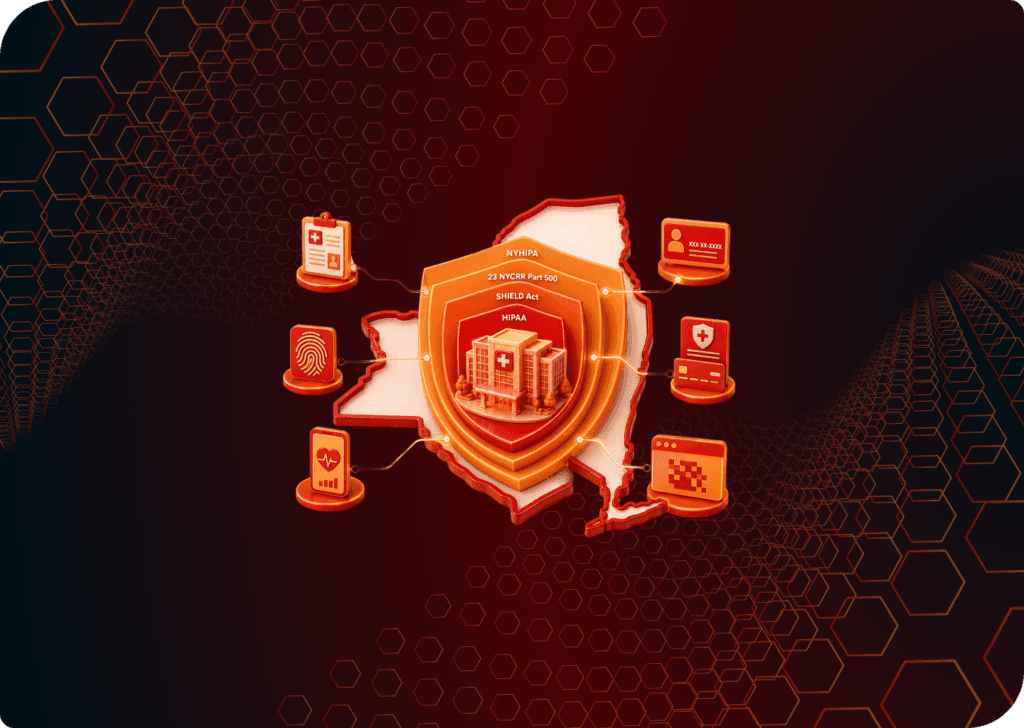
Federal HIPAA is just the starting point for New York healthcare organizations. The SHIELD Act, NYDFS 23 NYCRR Part 500, and the incoming NYHIPA each add independent obligations, enforcement timelines, and penalties that HIPAA compliance alone cannot satisfy. This blog gives a detailed look into each framework and tells you how to stay compliant.
Compliance Guide for Ohio Healthcare and Manufacturing Organizations
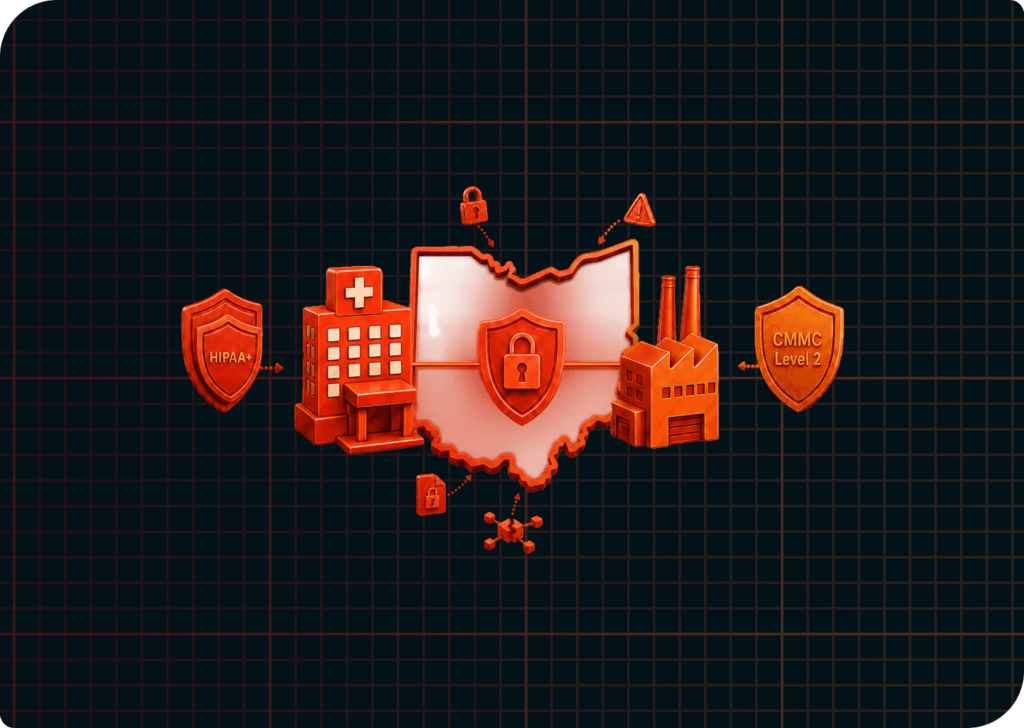
Ohio ranked 8th in the nation for healthcare data breaches in 2025. And across the Ohio manufacturing corridor, CMMC enforcement is currently ongoing. For SMBs operating in both sectors, this blog maps the full compliance landscape, from HIPAA and CMMC to Ohio state law, and how to build one defensible program.
How California Healthcare Teams Can Navigate Overlapping Compliances
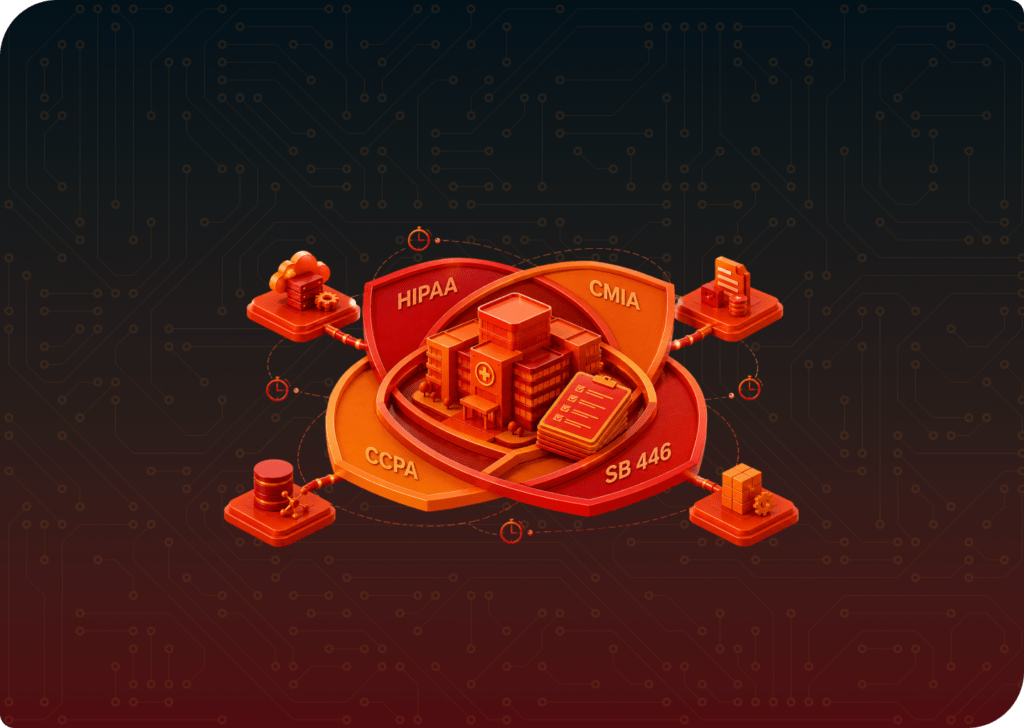
California healthcare doesn’t just answer to HIPAA. SB 446 cuts your breach notification window to 30 days. CMIA covers vendors and digital health platforms HIPAA doesn’t reach. CCPA applies to employee and marketing data your PHI exemption won’t protect. In this blog, we will talk about what the full compliance picture for California looks like.
Florida Healthcare Security in 2026: How to Stop Data Breaches
Healthcare breaches cost an average of $6.64M in 2026, and Florida providers have no state safe harbor from breach lawsuits. Here is what Florida healthcare security teams should validate first, and how pentesting proves it.
CMMC Phase 2: A Readiness Guide for Michigan Manufacturers
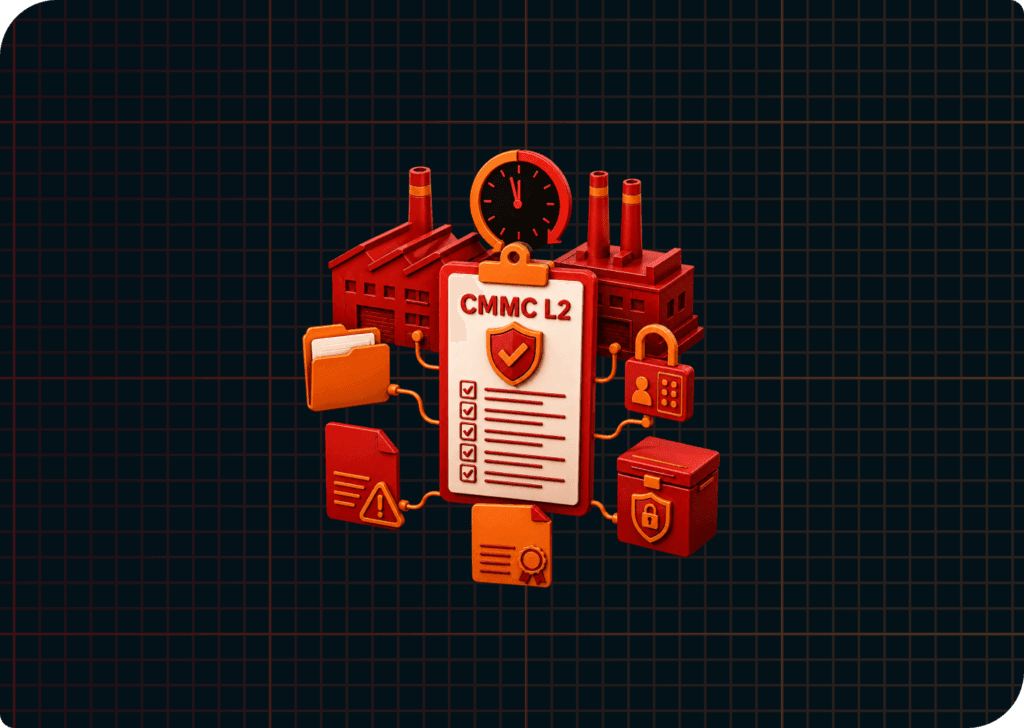
Starting November 10, 2026, defense manufacturers will have to prove they have the required security controls for CMMC Level 2 to remain eligible for DoW contract awards. While it may take 6 to 18 months for organizations to be compliance ready, this CMMC readiness guide covers what Level 2 demands and Michigan manufacturers can close the gap.
Texas Medical Device Cybersecurity: 2026 HHSC Requirements
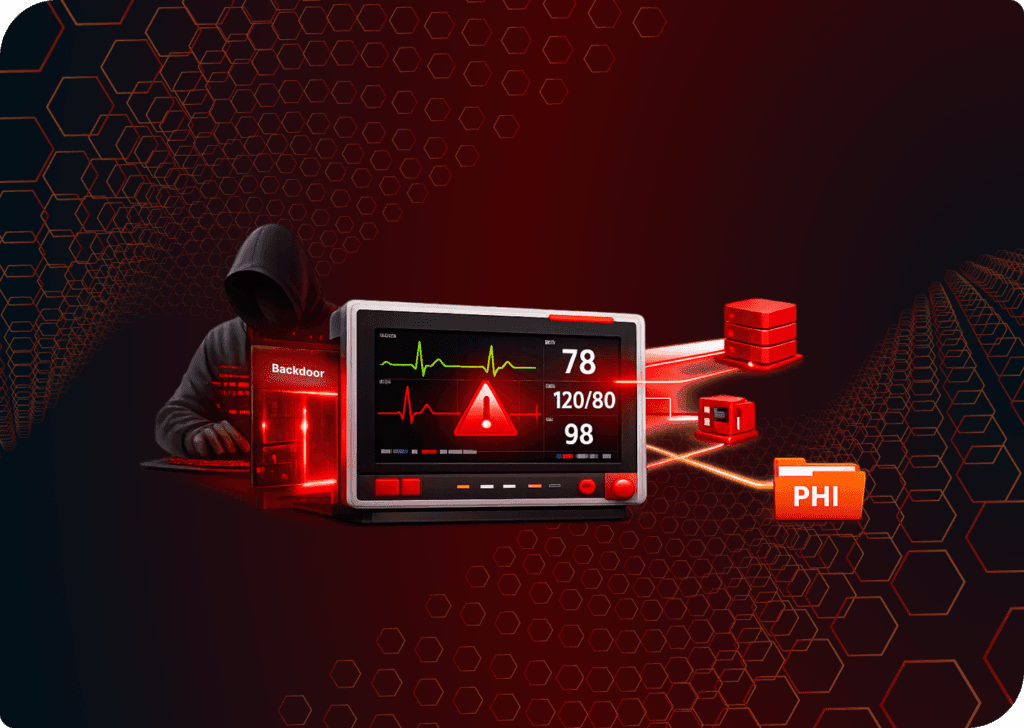
The Texas Health and Human Services Commission’s April 2026 directive requires Texas hospitals, acute care facilities, and long-term care facilities to review applicable FDA cybersecurity guidance for medical devices. Facilities must assess network-connected or remotely accessible devices, align relevant operational policies, and coordinate with manufacturers and IT teams to address vulnerabilities.
Using the NIST CSF 2.0 to Lower Cyber Insurance Premiums for Regional Clinics
Cyber insurance underwriters evaluate your ability to prove your controls. For regional clinics, the NIST CSF 2.0 provides a structured, six-function framework that maps directly to the insurer’s criteria and produces the documentation needed during insurance renewal. This blog covers what the NIST CSF framework requires and the steps to meet them.
SOC 2 Type II for Healthtech Startups: The Ultimate Hospital Procurement Checklist
SOC 2 Type II has become a practical trust signal for healthtech startups. It shows your reliability as a partner during the hospital procurement process as a SOC 2 Type II report demonstrates effectiveness of your security controls over a prolonged period. This blog lists what the process entails and how you can build your own SOC 2 supported cybersecurity.
M&A Due Diligence: Why You Must Pentest an Acquired Clinic’s Web Apps Before Integration
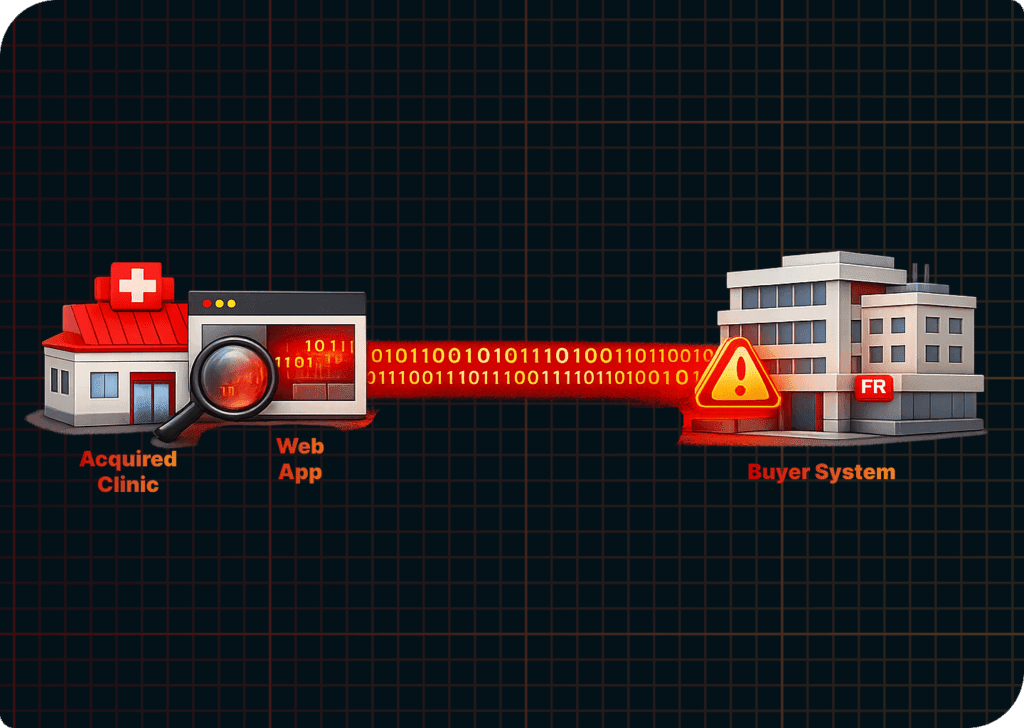
When a healthcare group acquires a clinic, web application security rarely makes the due diligence checklist. Every acquired clinic comes with a patient portal, billing apps, and EHR integrations carrying ePHI. Once the deal closes, their vulnerabilities are yours. Here are the risks that you inherit and what a pre-integration webtest should cover.
Securing ERP API Integrations: Prevent Vendor Apps from Exposing Supply Chain Data
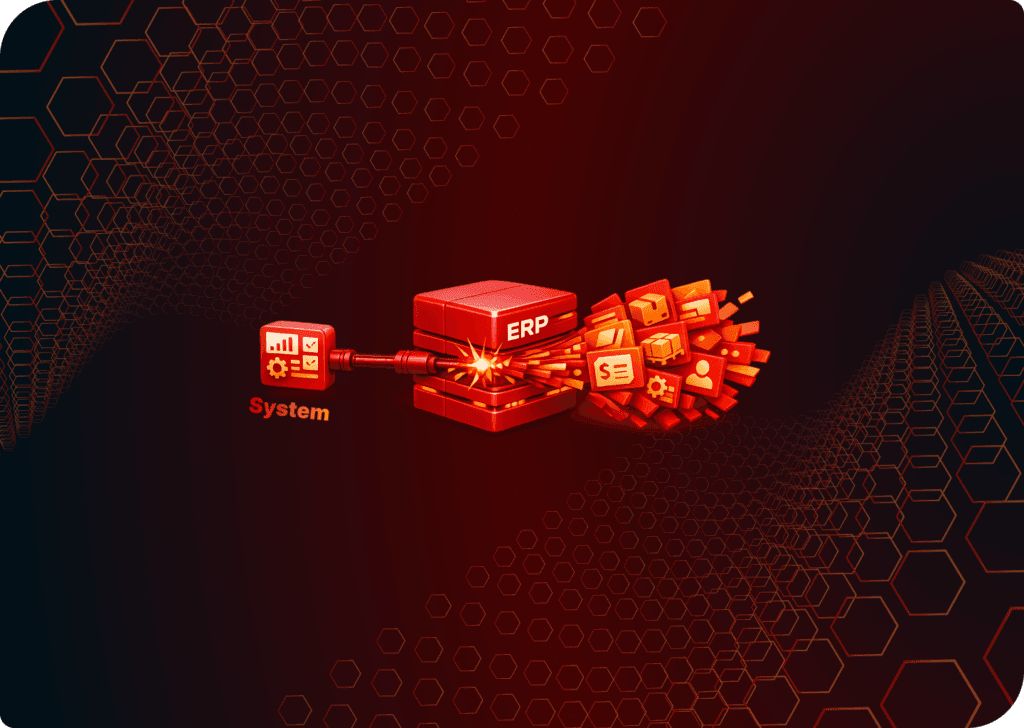
API integrations in ERP are a bigger risk than anyone can anticipate. ERPs handle sensitive information about clients, finance, and machine specifications. A compromised vendor and underlying API vulnerabilities can wreak havoc. Manufacturing data breaches not only affect your production, but also the entire supply chain you cater to.