
AI & HIPAA Violations: From Real-World Impact to Mitigating Security Risks

In the AI-era, negligence of organizations and ignorance of care providers are giving rise to new security risks. This blog investigates real-world reports, and charts a course through the deployment process, giving a step-by-step guide to meet HIPAA compliance.
HIPAA Compliance & Security for Federally Qualified Health Centers
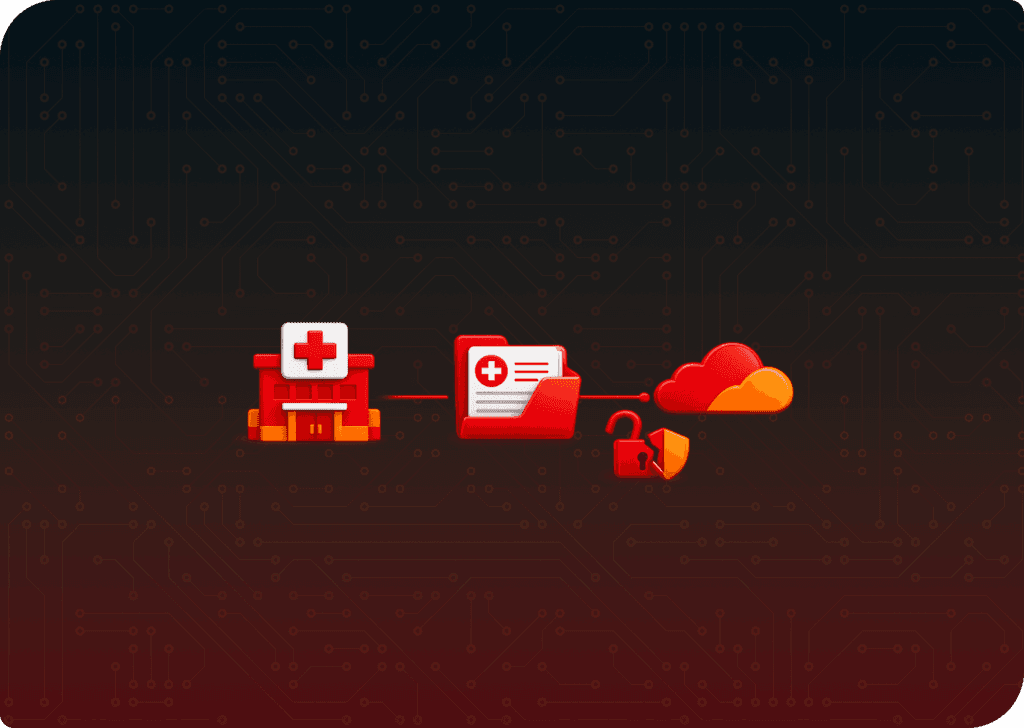
Unlike other healthcare providers, Federally Qualified Health Centers operate on a fixed budget with severe staff shortage. Oversights, poor technical safeguards, and lack of personnel training make PHIs the most vulnerable target in an FQHC ecosystem. FQHCs need specialized safeguards and a system that makes them ready for HIPAA compliance.
Automated vs. Manual Web App Pentesting: A Cost-to-Risk Guide for IT Directors
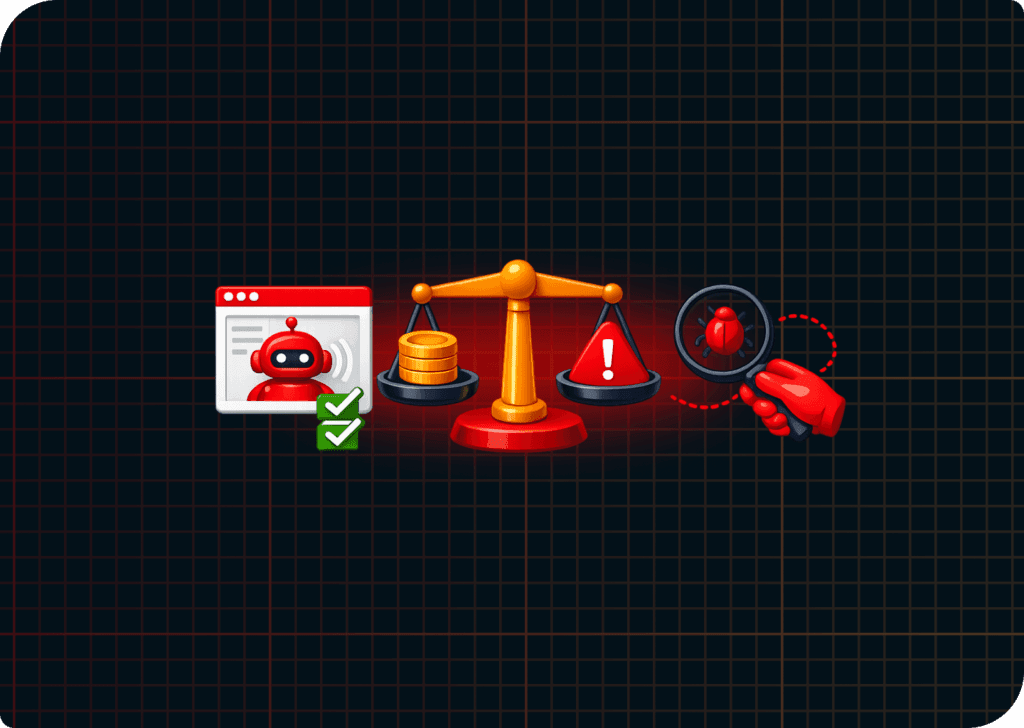
Automated and manual web app pentesting aren’t two versions of the same thing at different price points. They test for fundamentally different categories of risk. This guide breaks down what each approach covers, where the pricing comes from and the specific aspects that only manual testing catches and automated tools miss out.
Securing CUI in the Cloud: CMMC Readiness for Manufacturing Web Portals

Manufacturing web portals weren’t built as compliance boundaries. Under CMMC 2.0, if your supplier portal or technical data exchange handles controlled unclassified information, it’s in scope, and a FedRAMP-authorized cloud doesn’t automatically make it compliant. Here’s what CMMC readiness actually requires for cloud-hosted manufacturing portals before a C3PAO shows up.
Business Associate Agreement: A Compliance Guide for Healthcare Orgs

A BAA is a legal instrument; it assigns responsibility and creates liability, but it does not verify that a single security control has been implemented. This guide examines where BAAs fail in practice, what OCR enforcement actions reveal, and what IT teams need to do differently to make their vendor relationships genuinely defensible.
Penetration Testing Cost in 2026: Scope Your Test Before You Judge the Quote

Most SMBs approach web application pentesting without knowing what actually determines the cost. This guide explains the main pricing variables, how to scope intelligently, and how to avoid paying for a scan sold as a pentest.
Prove IT/OT Segmentation in Manufacturing with Internal Network Pentesting
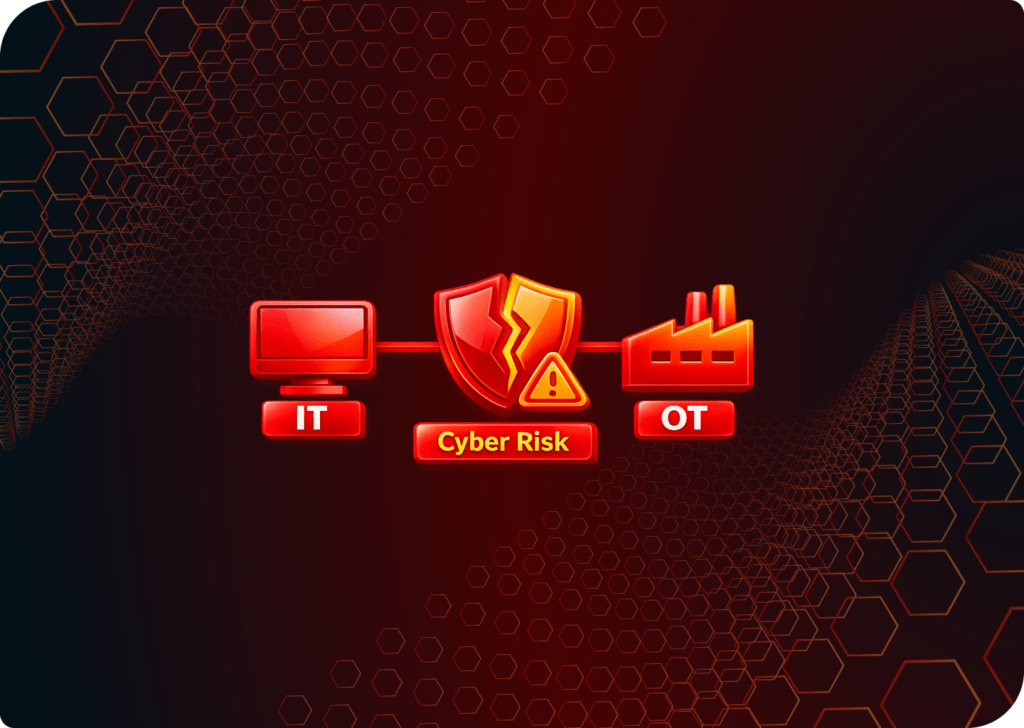
Manufacturing networks carry two high-value targets in the same building: the corporate IT environment and the OT systems running production. This blog explains what internal network pentesting actually tests, why assumed segmentation consistently fails, and how to produce verified proof that your IP is protected.
Hospital M&A Cybersecurity: Securing Networks & Patient Data

Hospital M&A is rising fast, but security risk usually lags behind financial and operational integration. This blog explains the technical gaps that turn hospital mergers into breach events and the security framework IT leaders need from pre-close through post-integration validation.
Penetration Testing Third-Party API Integrations for Healthcare

API integrations make healthcare systems more connected, but they also create quiet entry points into electronic health records. This blog covers the compliance gaps, attack paths, and practical testing steps healthcare organizations should address before connecting outside APIs to their systems.
HIPAA Audit Readiness for Dental Support Organizations

DSOs need more than policies and basic IT support to stay compliant. This blog breaks down how HIPAA, vendor oversight, access control, and recovery readiness work in a distributed dental environment.