
Practical Guide to Security Gap Analysis in Compliance
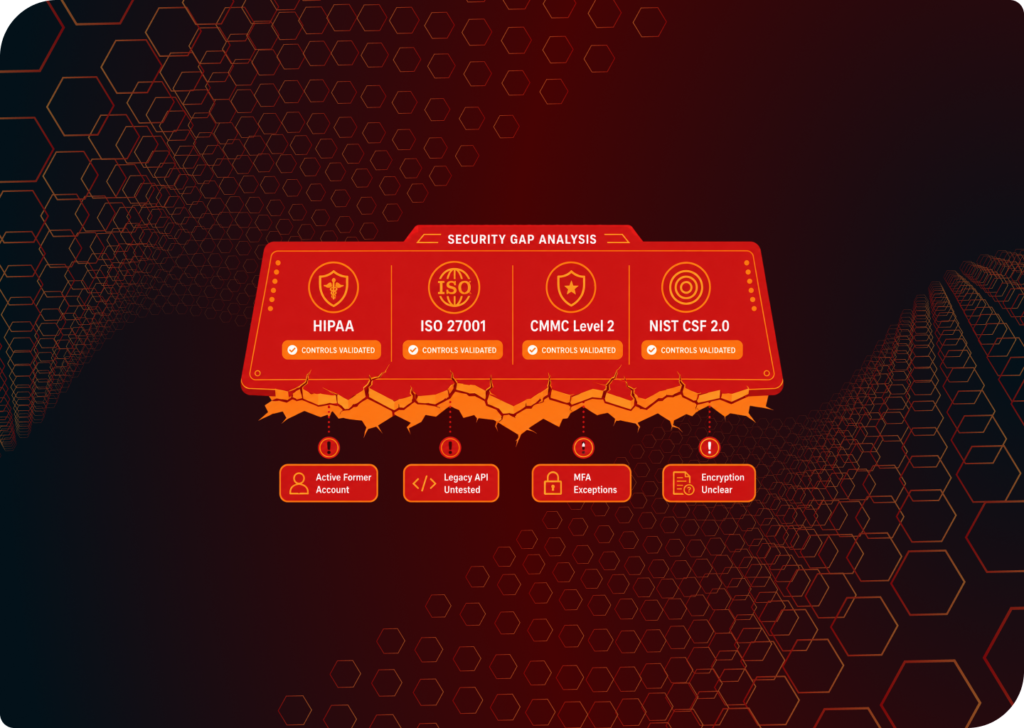
A security gap analysis isn’t a checklist, but a structured evaluation of where your controls stand against what your framework actually requires. It finds what automation platforms miss, what templated policies can’t prove, and what auditors will ask for. In this blog we talk about how it works and what to do after with the document in hand.
What NC Healthcare and Life Sciences Companies Need to Know in 2026
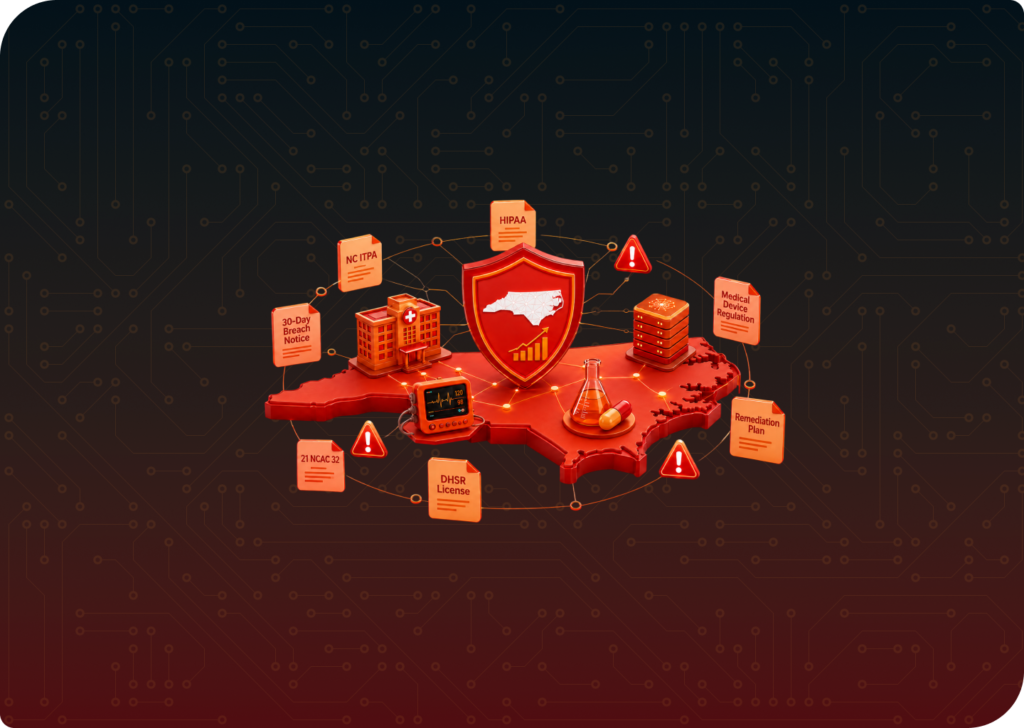
North Carolina’s Research Triangle is one of the most concentrated life sciences and health-tech corridors in the country. In 2026, it is also operating under constant cyber threats. This guide maps every compliance layer, from HIPAA and NC state law to FDA QMSR and SOC 2 and lets you know how to prioritize them.
Cybersecurity & Compliance Guide for Arizona’s Growing Healthtech Sector
Arizona constantly ranks in the Top 10 for healthcare data breaches. With 232 hospitals and one of the fastest-growing healthtech ecosystems in the nation, the state’s compliance exposure is real and underestimated. This compliance guide covers what cybersecurity in Arizona’s healthtech sector should look like.
What New York Healthcare Organizations Need to Know About Compliances
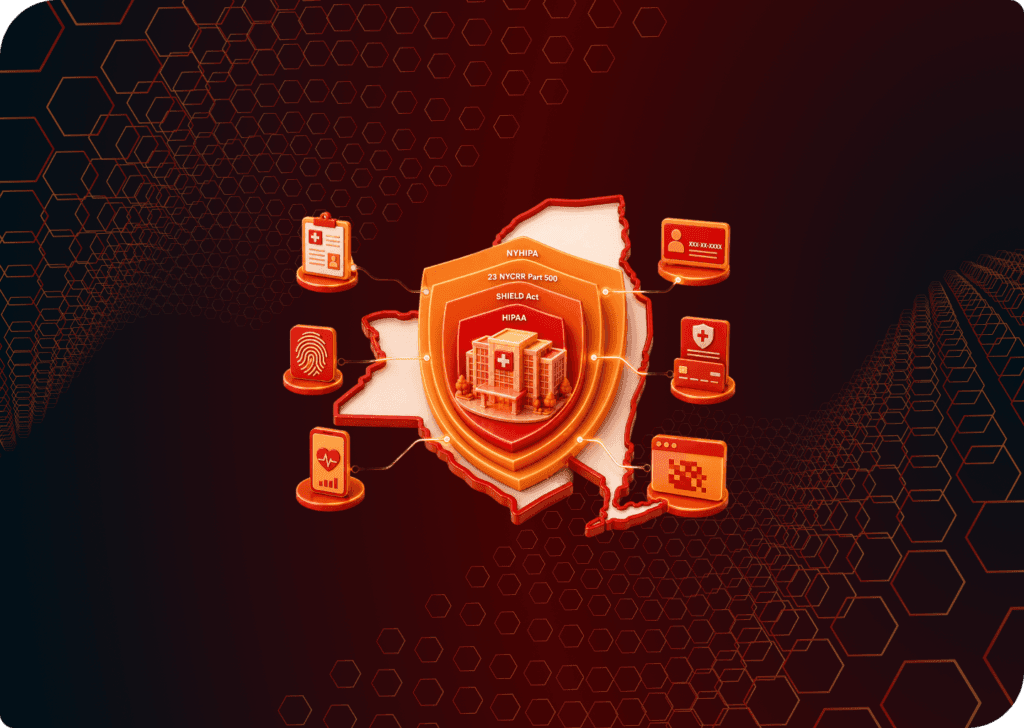
Federal HIPAA is just the starting point for New York healthcare organizations. The SHIELD Act, NYDFS 23 NYCRR Part 500, and the incoming NYHIPA each add independent obligations, enforcement timelines, and penalties that HIPAA compliance alone cannot satisfy. This blog gives a detailed look into each framework and tells you how to stay compliant.
Compliance Guide for Ohio Healthcare and Manufacturing Organizations
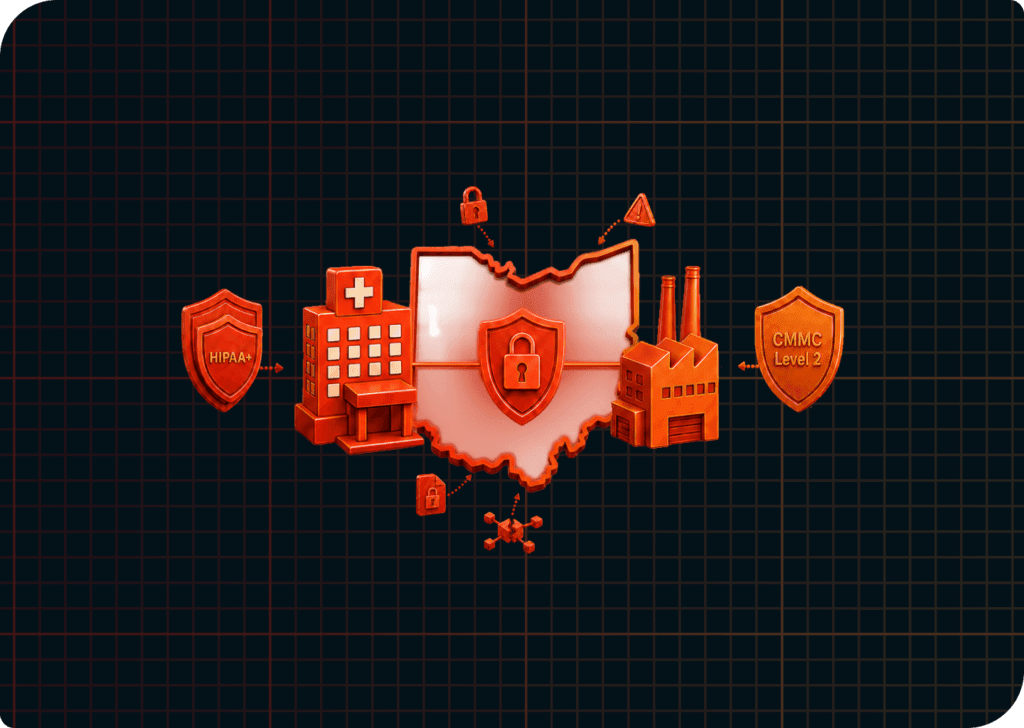
Ohio ranked 8th in the nation for healthcare data breaches in 2025. And across the Ohio manufacturing corridor, CMMC enforcement is currently ongoing. For SMBs operating in both sectors, this blog maps the full compliance landscape, from HIPAA and CMMC to Ohio state law, and how to build one defensible program.
How California Healthcare Teams Can Navigate Overlapping Compliances
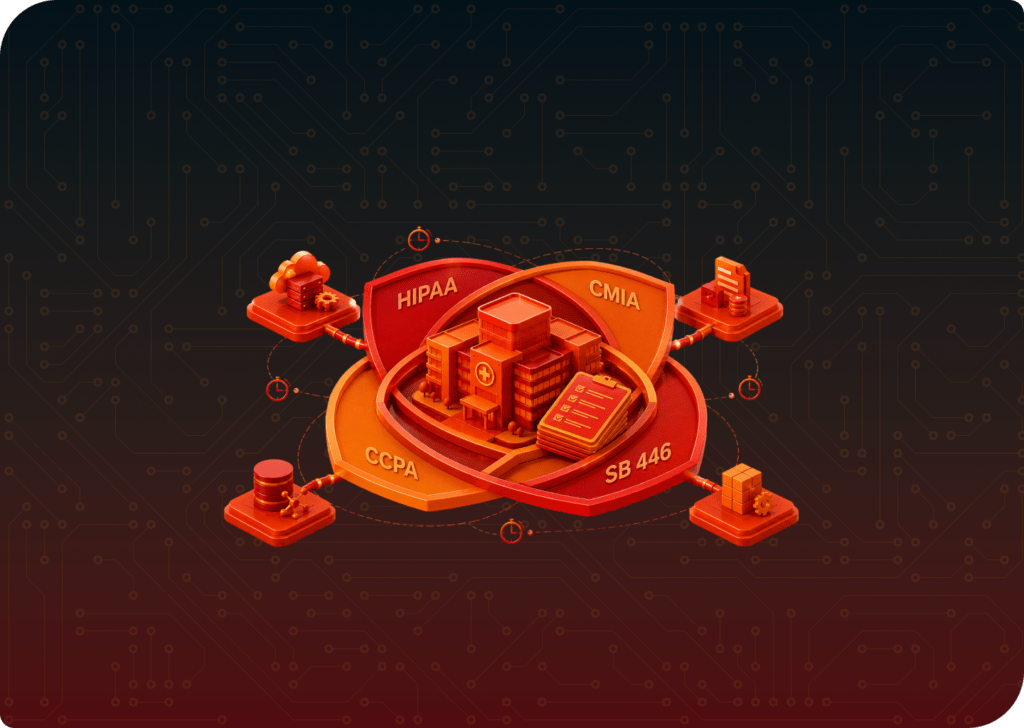
California healthcare doesn’t just answer to HIPAA. SB 446 cuts your breach notification window to 30 days. CMIA covers vendors and digital health platforms HIPAA doesn’t reach. CCPA applies to employee and marketing data your PHI exemption won’t protect. In this blog, we will talk about what the full compliance picture for California looks like.
How Can Florida Healthcare Providers Protect Against Increasing Data Breaches
Florida healthcare ranks fourth in the US for healthcare data breaches. With 123 impacted organizations on record in 2026, the state’s healthcare services are facing an unprecedented challenge. As the proposed HIPAA Security Rule is raising the bar on pentesting and MFA, healthcare providers need to enforce cybersecurity measures right now.
CMMC Phase 2: A Readiness Guide for Michigan Manufacturers
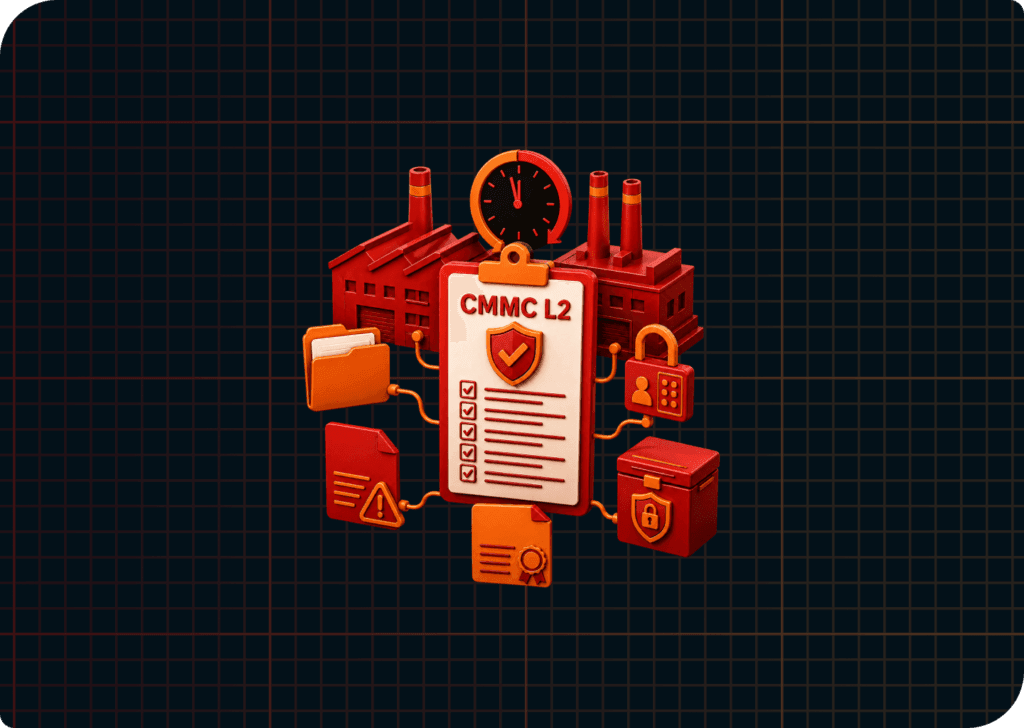
Starting November 10, 2026, defense manufacturers will have to prove they have the required security controls for CMMC Level 2 to remain eligible for DoW contract awards. While it may take 6 to 18 months for organizations to be compliance ready, this CMMC readiness guide covers what Level 2 demands and Michigan manufacturers can close the gap.
Texas’s New Medical Device Security Directive: What You Need to Do Now
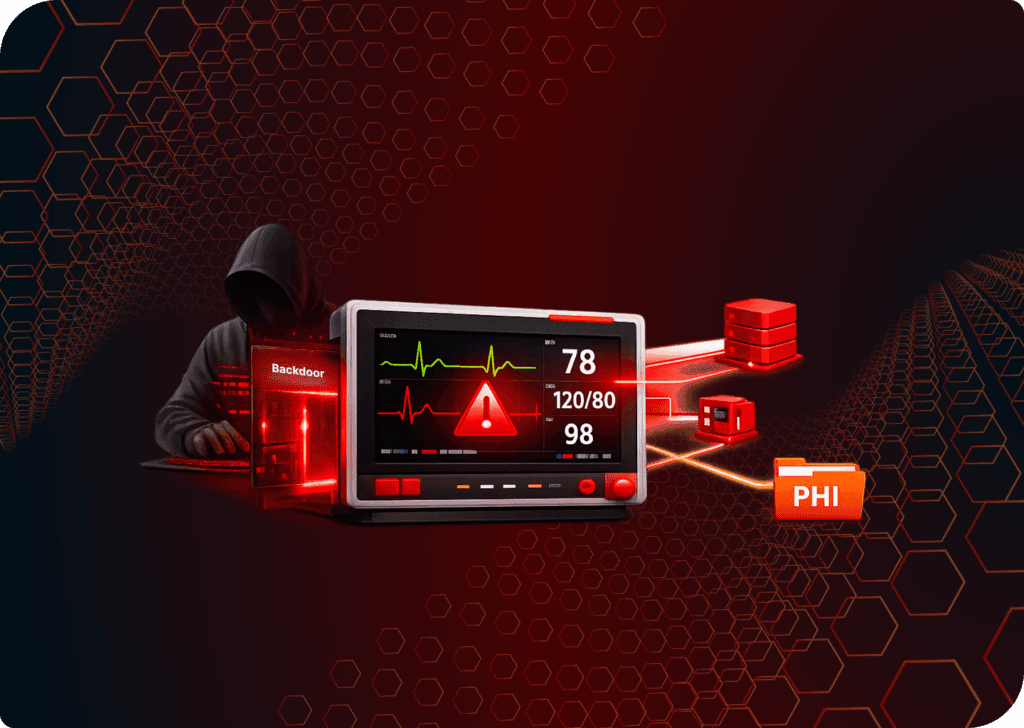
Texas Governor Greg Abbott has directed all state health agencies and medical facilities to review the cybersecurity of their connected medical devices. The Texas HHSC has extended this obligation to all hospitals statewide. Learn what that means for Texas cybersecurity regulations and the challenges the new update to medical device security presents.
Using the NIST CSF 2.0 to Lower Cyber Insurance Premiums for Regional Clinics
Cyber insurance underwriters evaluate your ability to prove your controls. For regional clinics, the NIST CSF 2.0 provides a structured, six-function framework that maps directly to the insurer’s criteria and produces the documentation needed during insurance renewal. This blog covers what the NIST CSF framework requires and the steps to meet them.