
How to Get SOC 2 Type II and HIPAA Compliance Right for Telehealth Vendors
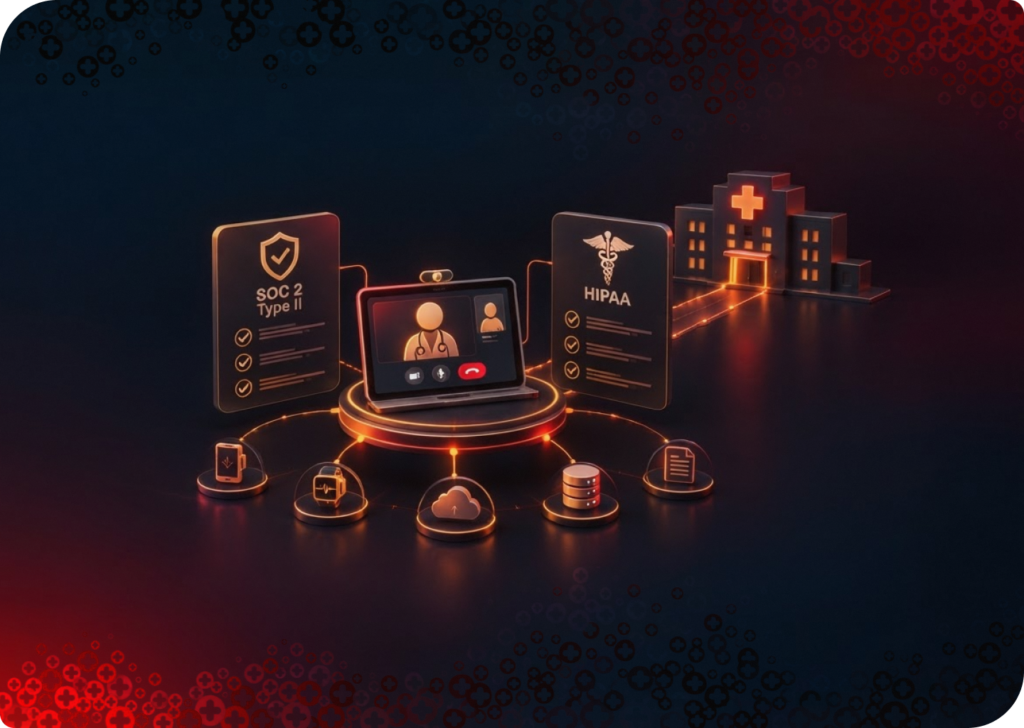
For telehealth vendors, SOC 2 Type II and HIPAA compliance are critical to passing hospital security reviews and securing contracts. But hospitals look beyond audit reports. They examine how your platform protects patient data, manages video recordings, handles AI tools, and controls third-party access. This guide explains what hospitals and auditors actually check, how SOC 2 and HIPAA requirements overlap, and how to prepare for both without duplicating compliance efforts.
How to Perform Application Security Gap Assessment: 6 Steps
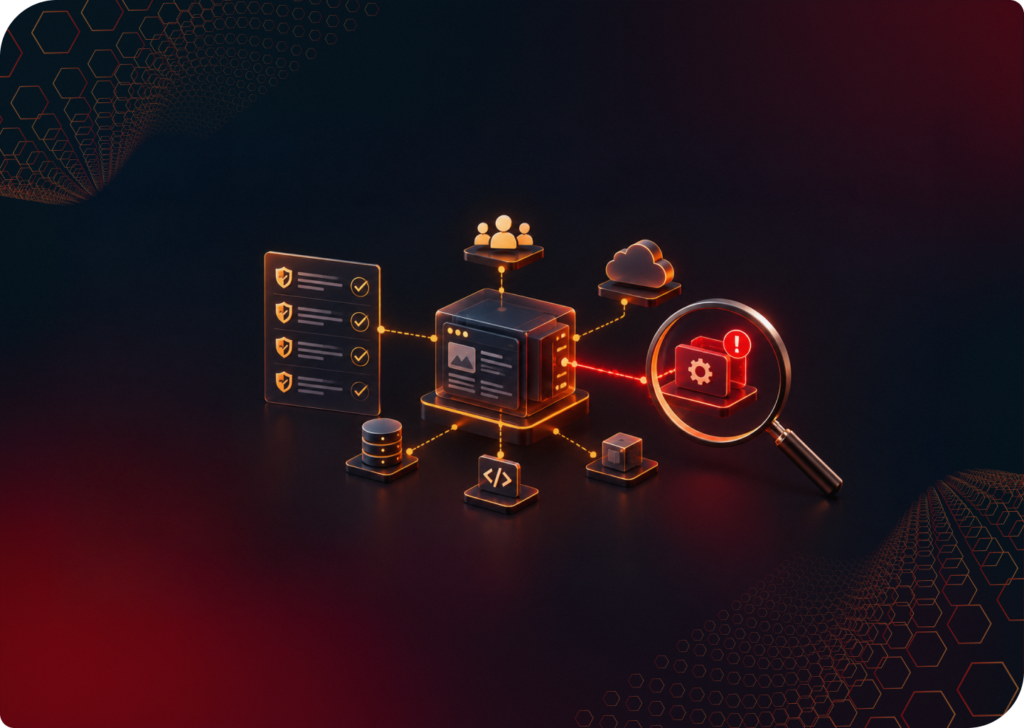
A penetration test can uncover vulnerabilities, but it may miss the security gaps that allow them to recur. This guide explains how to perform an application security gap assessment in six steps, from evaluating security controls and development practices to prioritizing risks and fixing their root causes. With practical examples from healthcare applications, it also covers the tools, evidence, and frameworks needed to keep applications secure across releases.
HIPAA Compliance for Healthcare Startups in the Research Triangle Park: A 2026 Guide
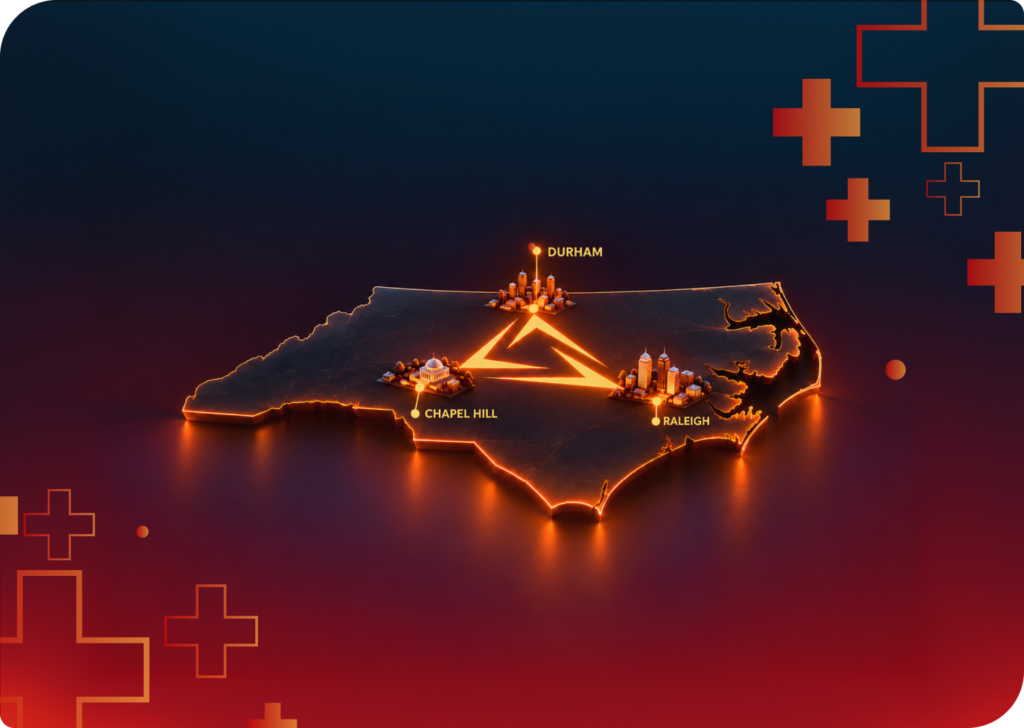
For healthcare startups in Research Triangle Park, North Carolina, HIPAA compliance does not always end with determining whether you are a covered entity or business associate. If you handle sensitive patient information, state privacy duties may still apply. The strongest approach to HIPAA compliance for healthcare startups is to map where patient data flows, assess risks regularly, review vendors carefully, and update controls whenever your systems or workflows change.
5 Questions to Ask the SaaS Vendor Before Signing a Healthcare BAA
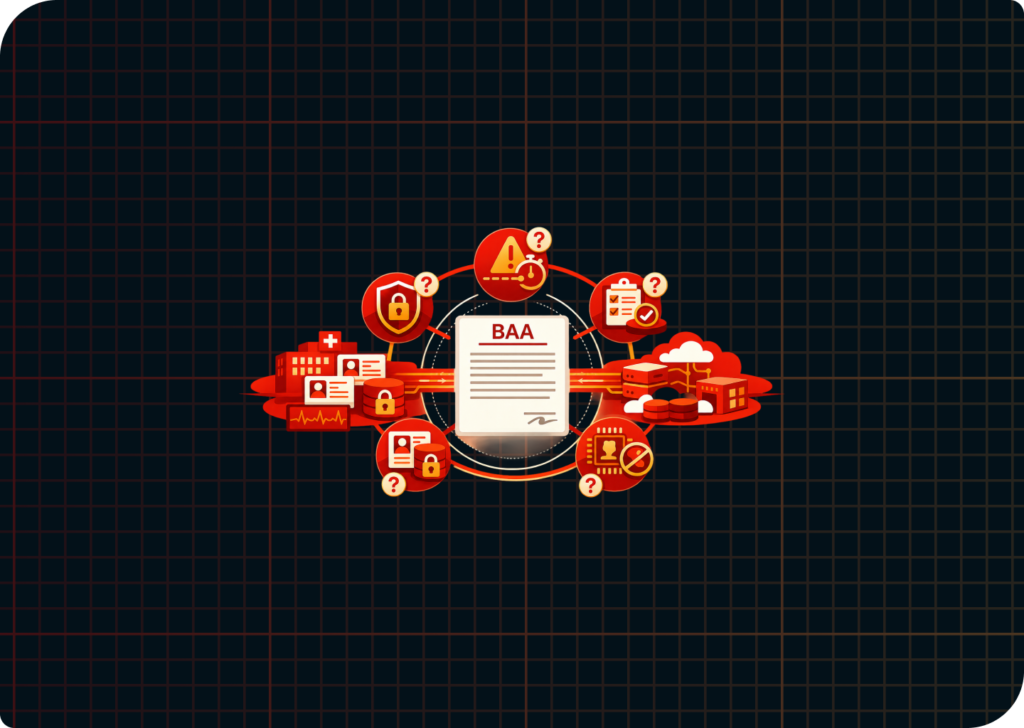
Most healthcare BAA gets signed at the bare legal minimum and filed away. This blog breaks down five diligence questions, covering data location, AI training use, termination, security proof, and breach notification speed, everything that turn a BAA from paperwork into enforced vendor accountability, before a breach forces the issue.
7 Major Healthcare Cybersecurity Breaches in the U.S. (2026)
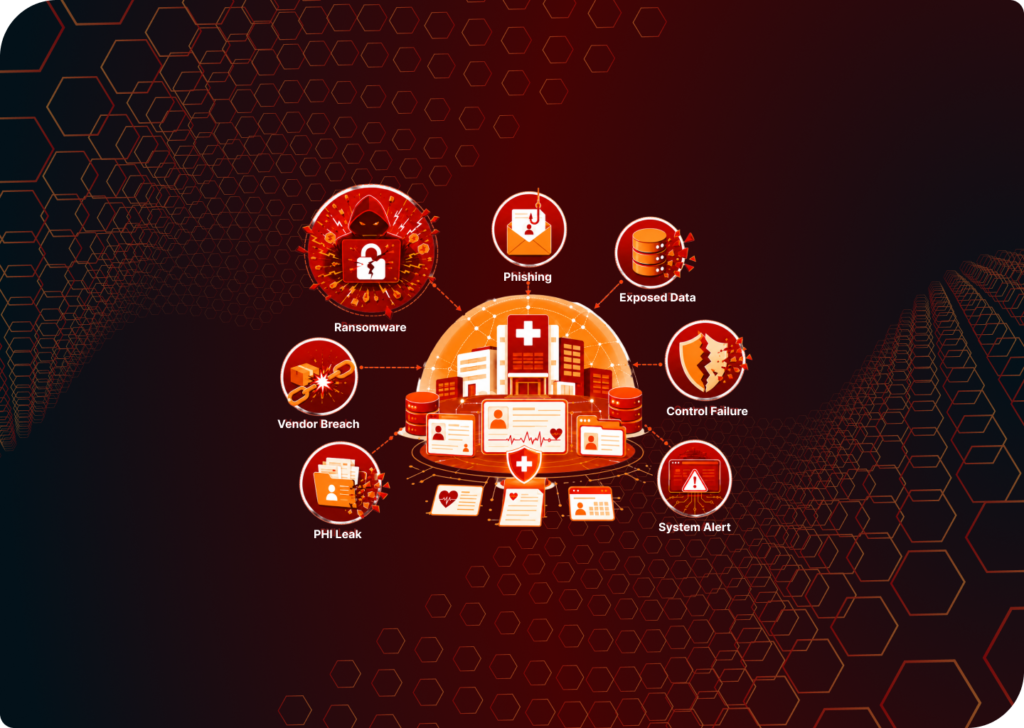
Explore seven major healthcare cybersecurity breaches in the United States, including Change Healthcare, Anthem, HCA Healthcare, Kaiser Permanente, and Ascension. See what these healthcare security breach examples reveal about stolen credentials, weak access controls, third-party risk, poor data visibility, and recovery gaps, and what healthcare organizations can learn from these major healthcare security breaches in 2026.
Manual Penetration Testing for Healthcare SOC 2 Type II
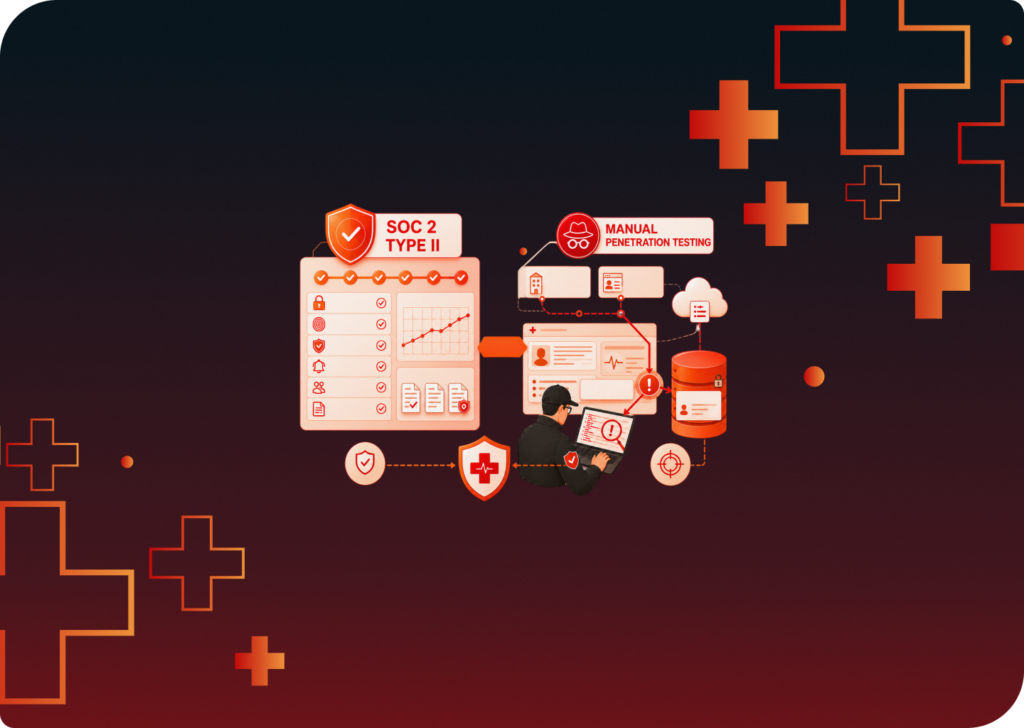
A clean SOC 2 Type II report attests your controls operated, but not that they actually stop an attacker. The gaps that leak PHI, like broken access control and business logic abuse, are exactly what automated scans miss. Here’s how manual penetration testing in SOC 2 finds those gaps and strengthens your healthcare SOC 2 evidence.
Prioritization Between HITRUST, HIPAA & SOC 2 For Healthcare Startups
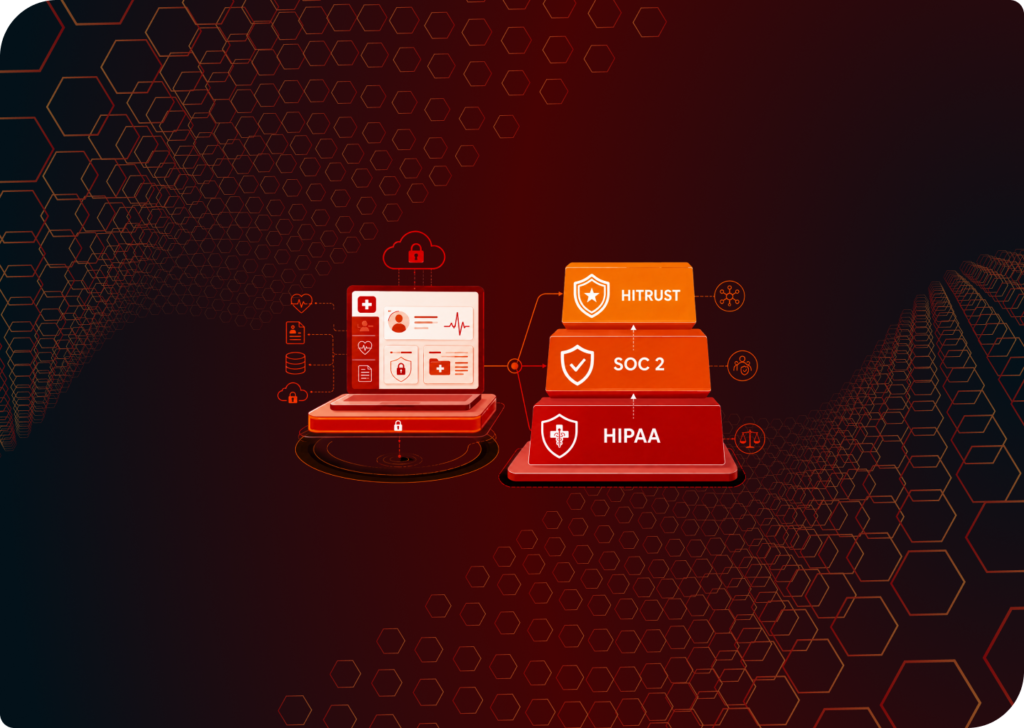
Startups have to think about preparing for HIPAA, HITRUST, and SOC 2 together, not individually. This guide explains how the three frameworks overlap and diverge, what SOC 2 Type II requires, when HITRUST is worth it, and how to sequence them so that you don’t have to pull off triple the amount of work.
SOC 2 vs HIPAA: What’s Different, What Overlaps & Do You Need Both?
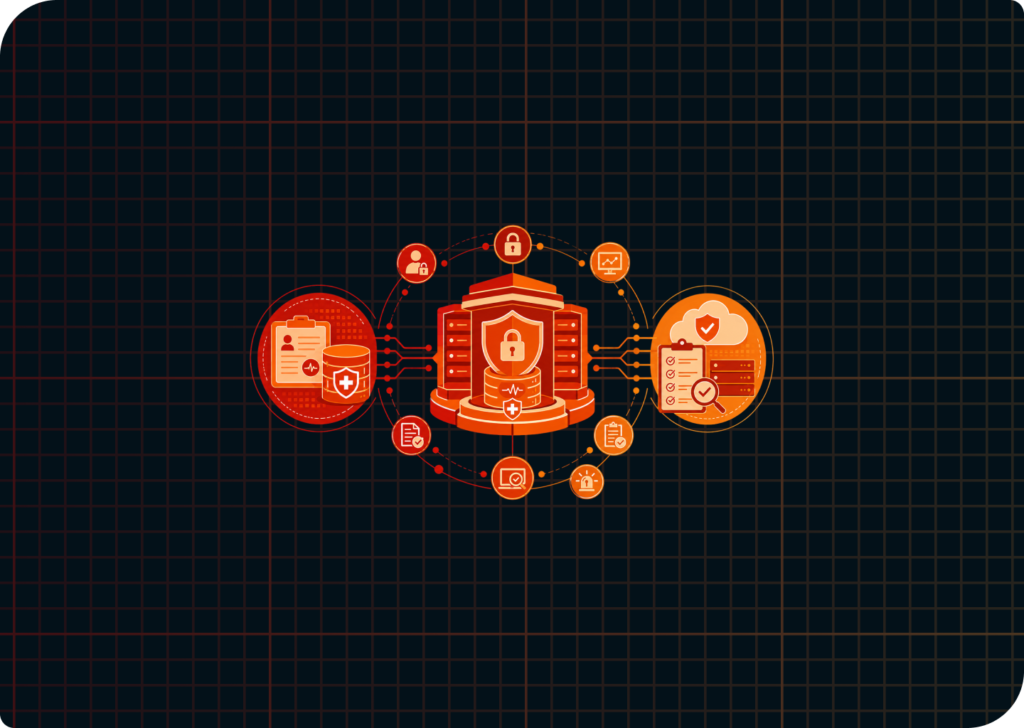
SOC 2 vs HIPAA is not an either-or decision. SOC 2 can cover much of the security work HIPAA requires, but it does not establish HIPAA compliance. Organizations that need both should reuse shared controls and evidence, then focus their effort on the HIPAA-specific gaps that SOC 2 leaves behind.
What NC Healthcare and Life Sciences Companies Need to Know in 2026
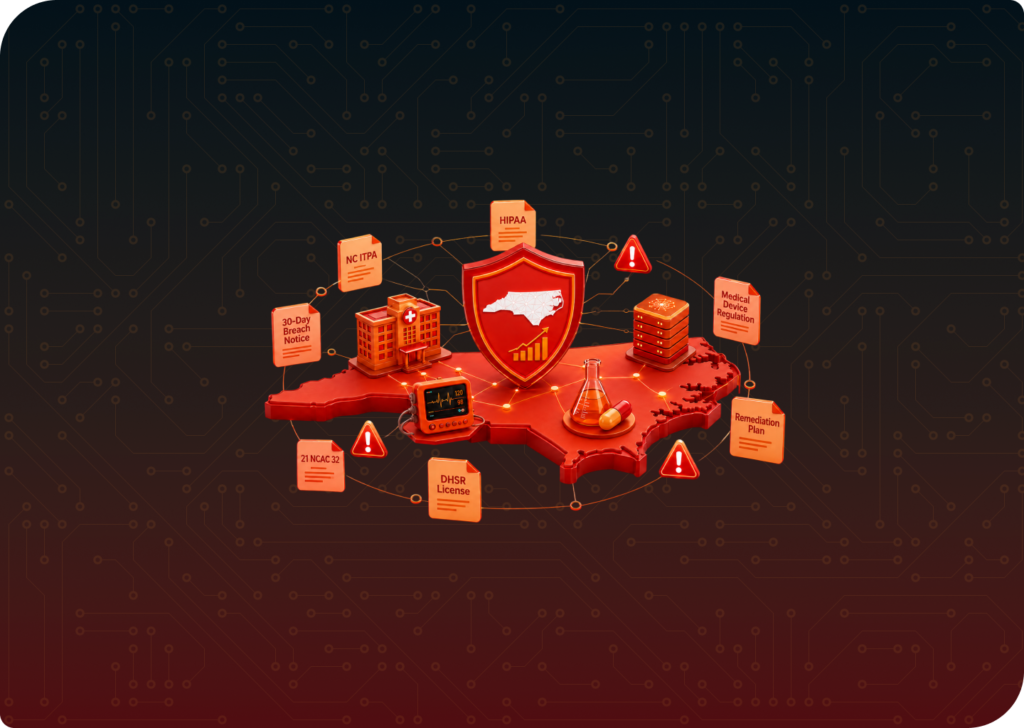
North Carolina’s Research Triangle is one of the most concentrated life sciences and health-tech corridors in the country. In 2026, it is also operating under constant cyber threats. This guide maps every compliance layer, from HIPAA and NC state law to FDA QMSR and SOC 2 and lets you know how to prioritize them.
Arizona HIPAA Compliance: What Healthtech Companies Need to Know About the 45-Day Breach Rule
Arizona constantly ranks in the Top 10 for healthcare data breaches. With 232 hospitals and one of the fastest-growing healthtech ecosystems in the nation, the state’s compliance exposure is real and underestimated. This compliance guide covers what cybersecurity in Arizona’s healthtech sector should look like.