
What New York Healthcare Organizations Need to Know About Compliances
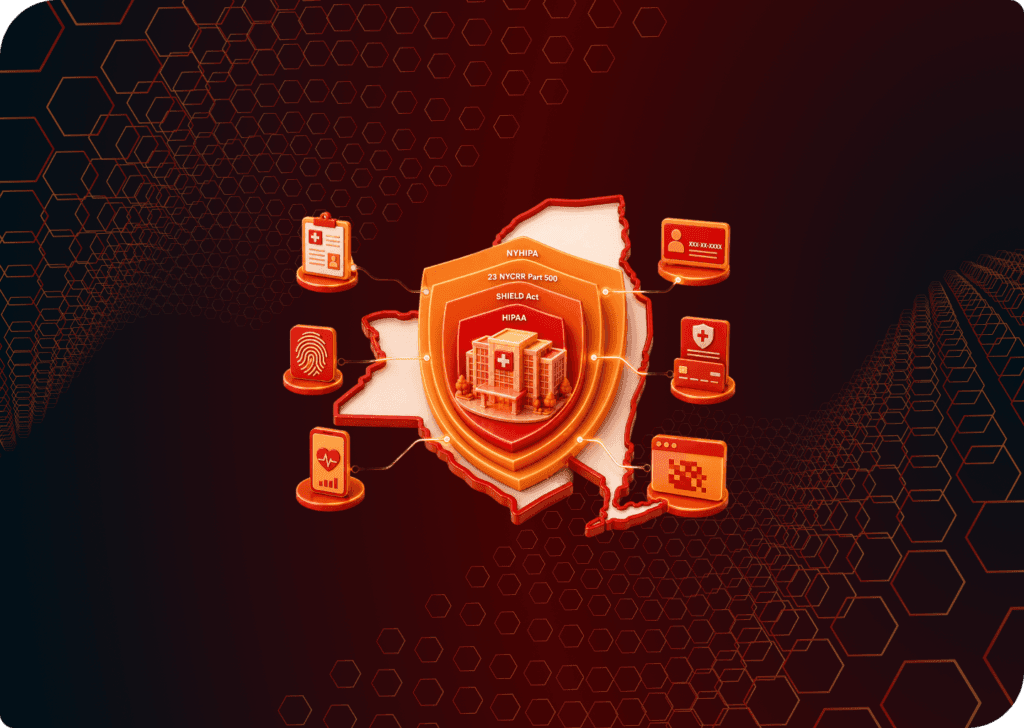
Federal HIPAA is just the starting point for New York healthcare organizations. The SHIELD Act, NYDFS 23 NYCRR Part 500, and the incoming NYHIPA each add independent obligations, enforcement timelines, and penalties that HIPAA compliance alone cannot satisfy. This blog gives a detailed look into each framework and tells you how to stay compliant.
Compliance Guide for Ohio Healthcare and Manufacturing Organizations
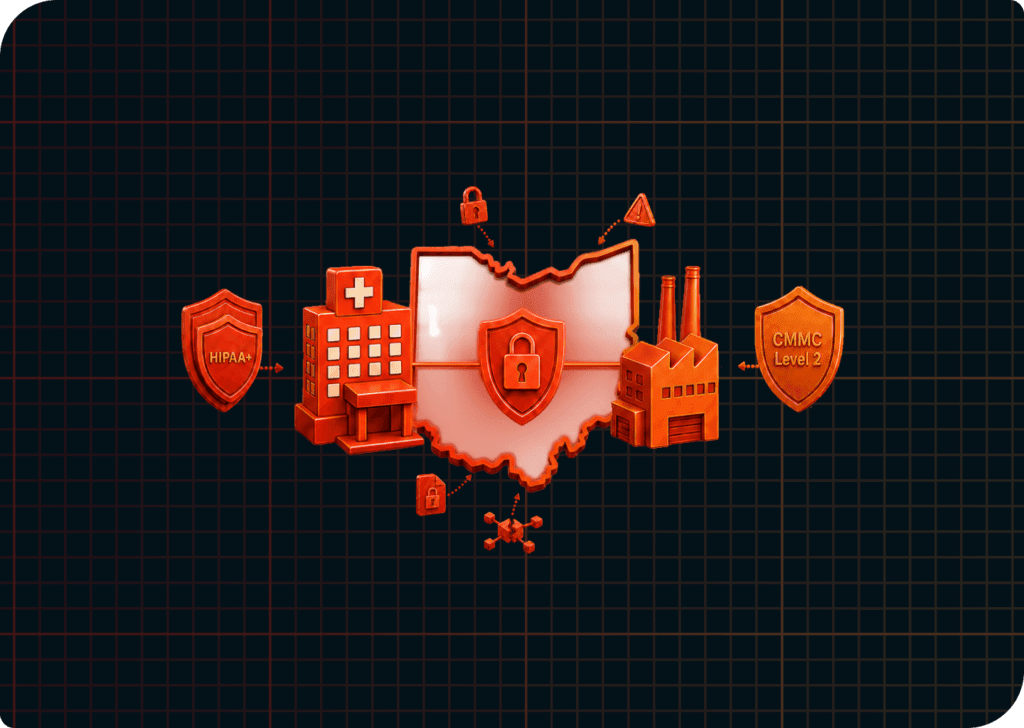
Ohio ranked 8th in the nation for healthcare data breaches in 2025. And across the Ohio manufacturing corridor, CMMC enforcement is currently ongoing. For SMBs operating in both sectors, this blog maps the full compliance landscape, from HIPAA and CMMC to Ohio state law, and how to build one defensible program.
How California Healthcare Teams Can Navigate Overlapping Compliances
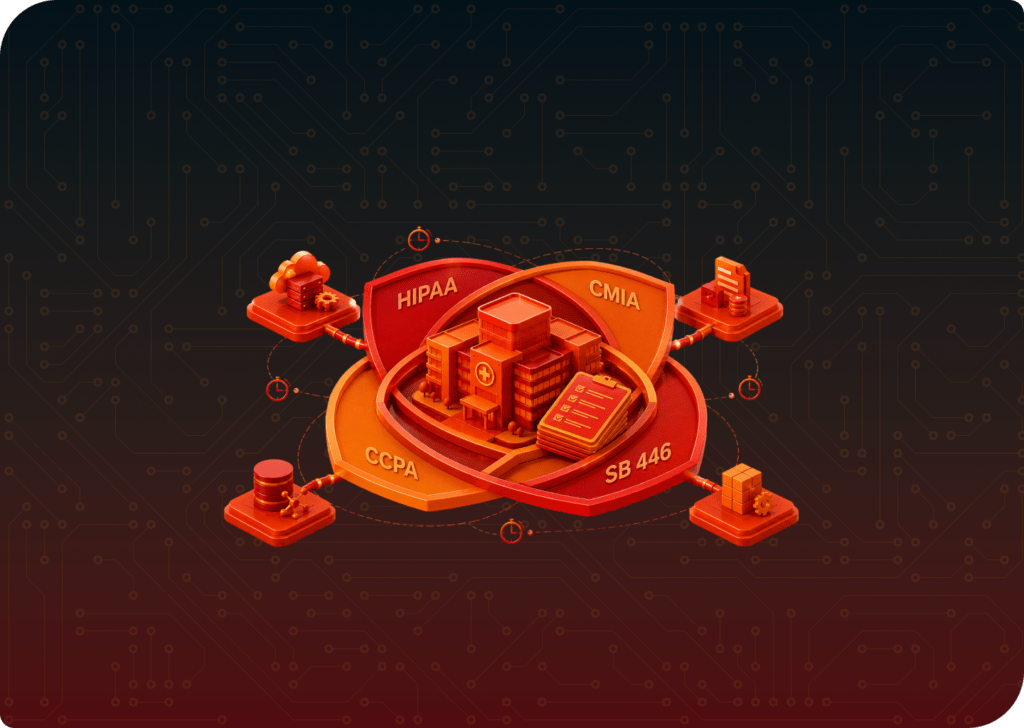
California healthcare doesn’t just answer to HIPAA. SB 446 cuts your breach notification window to 30 days. CMIA covers vendors and digital health platforms HIPAA doesn’t reach. CCPA applies to employee and marketing data your PHI exemption won’t protect. In this blog, we will talk about what the full compliance picture for California looks like.
How Can Florida Healthcare Providers Protect Against Increasing Data Breaches
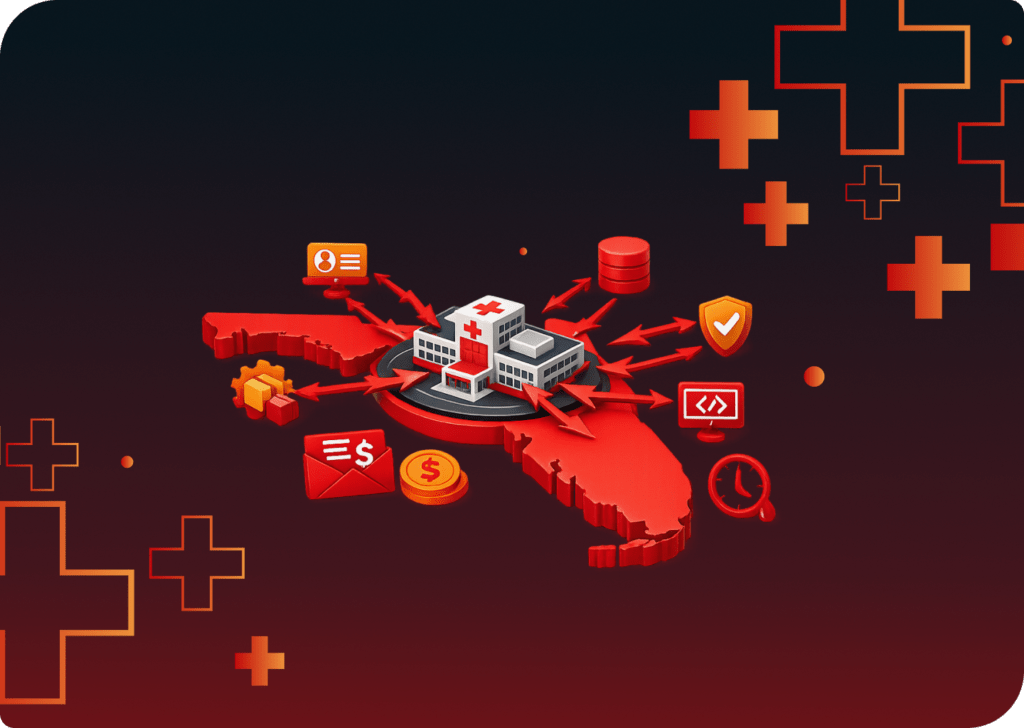
Florida healthcare ranks fourth in the US for healthcare data breaches. With 123 impacted organizations on record in 2026, the state’s healthcare services are facing an unprecedented challenge. As the proposed HIPAA Security Rule is raising the bar on pentesting and MFA, healthcare providers need to enforce cybersecurity measures right now.
Texas Medical Device Cybersecurity: 2026 HHSC Requirements
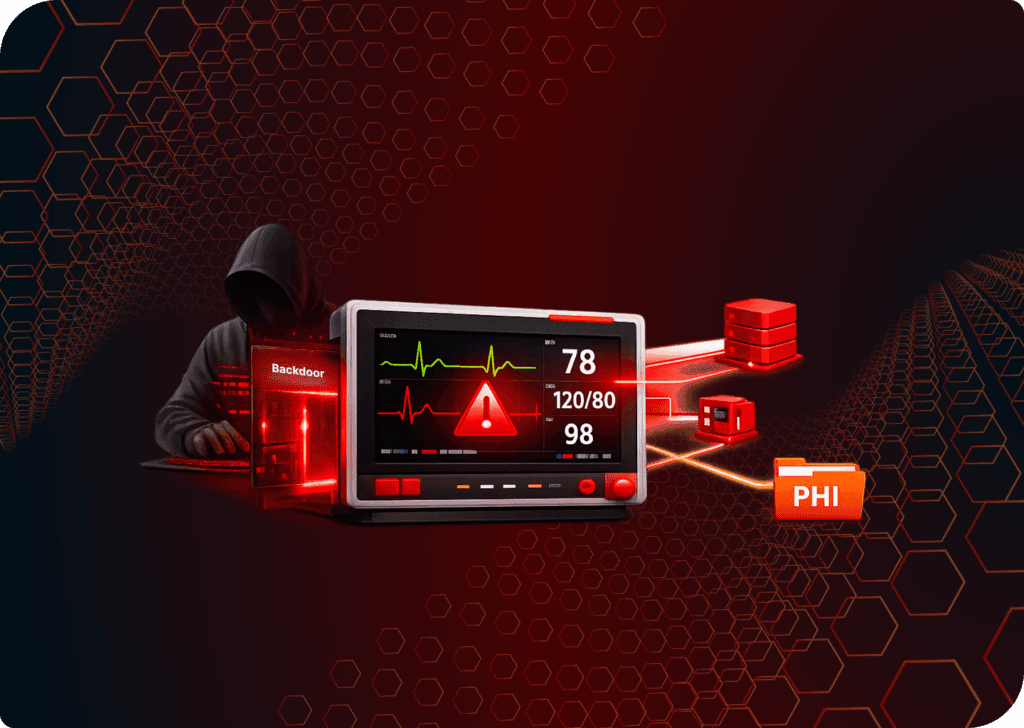
The Texas Health and Human Services Commission’s April 2026 directive requires Texas hospitals, acute care facilities, and long-term care facilities to review applicable FDA cybersecurity guidance for medical devices. Facilities must assess network-connected or remotely accessible devices, align relevant operational policies, and coordinate with manufacturers and IT teams to address vulnerabilities.
Using the NIST CSF 2.0 to Lower Cyber Insurance Premiums for Regional Clinics
Cyber insurance underwriters evaluate your ability to prove your controls. For regional clinics, the NIST CSF 2.0 provides a structured, six-function framework that maps directly to the insurer’s criteria and produces the documentation needed during insurance renewal. This blog covers what the NIST CSF framework requires and the steps to meet them.
SOC 2 Type II for Healthtech Startups: The Ultimate Hospital Procurement Checklist
SOC 2 Type II has become a practical trust signal for healthtech startups. It shows your reliability as a partner during the hospital procurement process as a SOC 2 Type II report demonstrates effectiveness of your security controls over a prolonged period. This blog lists what the process entails and how you can build your own SOC 2 supported cybersecurity.
Business Associate Agreement: A Compliance Guide for Healthcare Orgs
A BAA is a legal instrument; it assigns responsibility and creates liability, but it does not verify that a single security control has been implemented. This guide examines where BAAs fail in practice, what OCR enforcement actions reveal, and what IT teams need to do differently to make their vendor relationships genuinely defensible.
Hospital M&A Cybersecurity: Securing Networks & Patient Data
Hospital M&A is rising fast, but security risk usually lags behind financial and operational integration. This blog explains the technical gaps that turn hospital mergers into breach events and the security framework IT leaders need from pre-close through post-integration validation.
Penetration Testing Third-Party API Integrations for Healthcare

API integrations make healthcare systems more connected, but they also create quiet entry points into electronic health records. This blog covers the compliance gaps, attack paths, and practical testing steps healthcare organizations should address before connecting outside APIs to their systems.