
How Does KLEAP Help with Your HIPAA, HITRUST or SOC 2 Compliance in Healthcare?
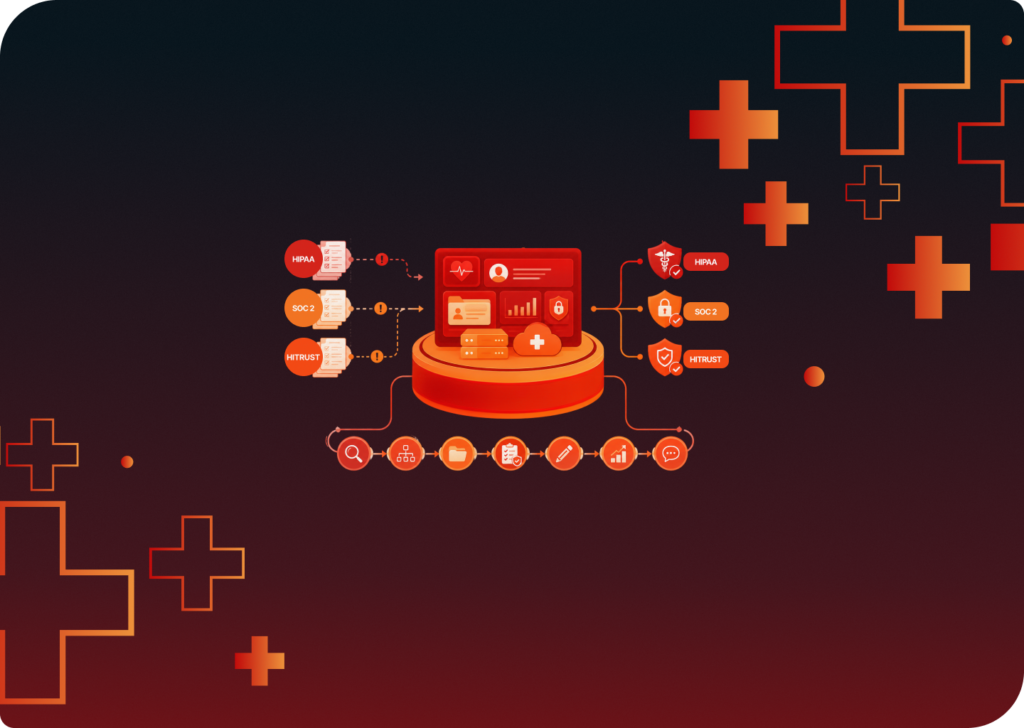
In this blog, we compare HIPAA, SOC 2, and HITRUST, answer the sequencing and audit-prep questions healthcare startups ask us most, and explain how KLEAP scopes requirements, assesses vendor risk, and closes gaps through manual penetration testing before an audit or a procurement review.
5 Questions to Ask the SaaS Vendor Before Signing a Healthcare BAA

Most healthcare BAA gets signed at the bare legal minimum and filed away. This blog breaks down five diligence questions, covering data location, AI training use, termination, security proof, and breach notification speed, everything that turn a BAA from paperwork into enforced vendor accountability, before a breach forces the issue.
7 Major Healthcare Cybersecurity Breaches in the U.S. (2026)

Explore seven major healthcare cybersecurity breaches in the United States, including Change Healthcare, Anthem, HCA Healthcare, Kaiser Permanente, and Ascension. See what these healthcare security breach examples reveal about stolen credentials, weak access controls, third-party risk, poor data visibility, and recovery gaps, and what healthcare organizations can learn from these major healthcare security breaches in 2026.
HIPAA Compliant AI in Healthcare: What Healthcare Security Teams Need to Check Before Deployment in 2026
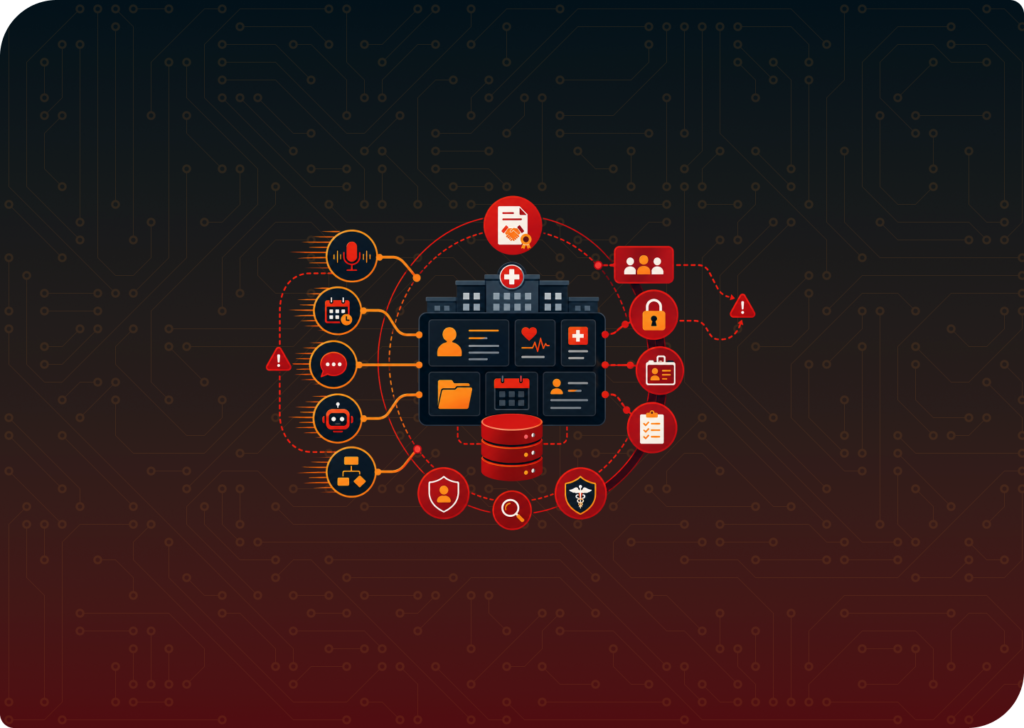
Healthcare teams can use AI tools and LLMs with PHI in a HIPAA-compliant way. But in 2026, AI HIPAA compliance depends on the deployment, not the model name or vendor claim. This guide explains how to evaluate HIPAA compliant AI tools, BAAs, data flows, access controls, model training, retention, third-party providers, and EMR integration with AI medical assistants before patient data enters the workflow.
Manual Penetration Testing for Healthcare SOC 2 Type II
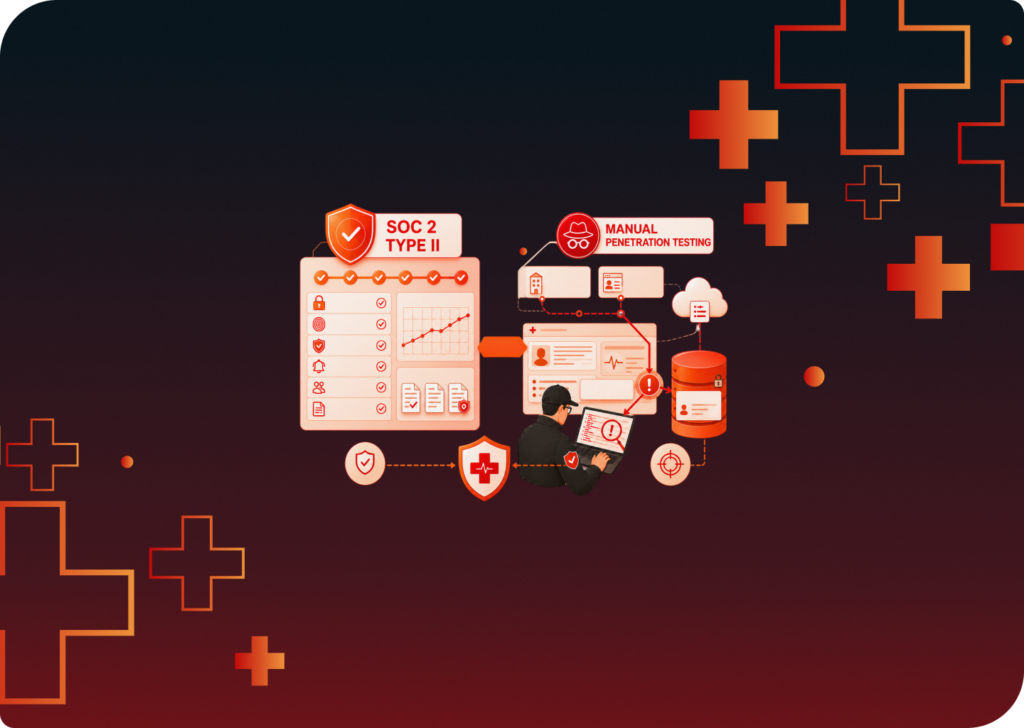
A clean SOC 2 Type II report attests your controls operated, but not that they actually stop an attacker. The gaps that leak PHI, like broken access control and business logic abuse, are exactly what automated scans miss. Here’s how manual penetration testing in SOC 2 finds those gaps and strengthens your healthcare SOC 2 evidence.
Prioritization Between HITRUST, HIPAA & SOC 2 For Healthcare Startups
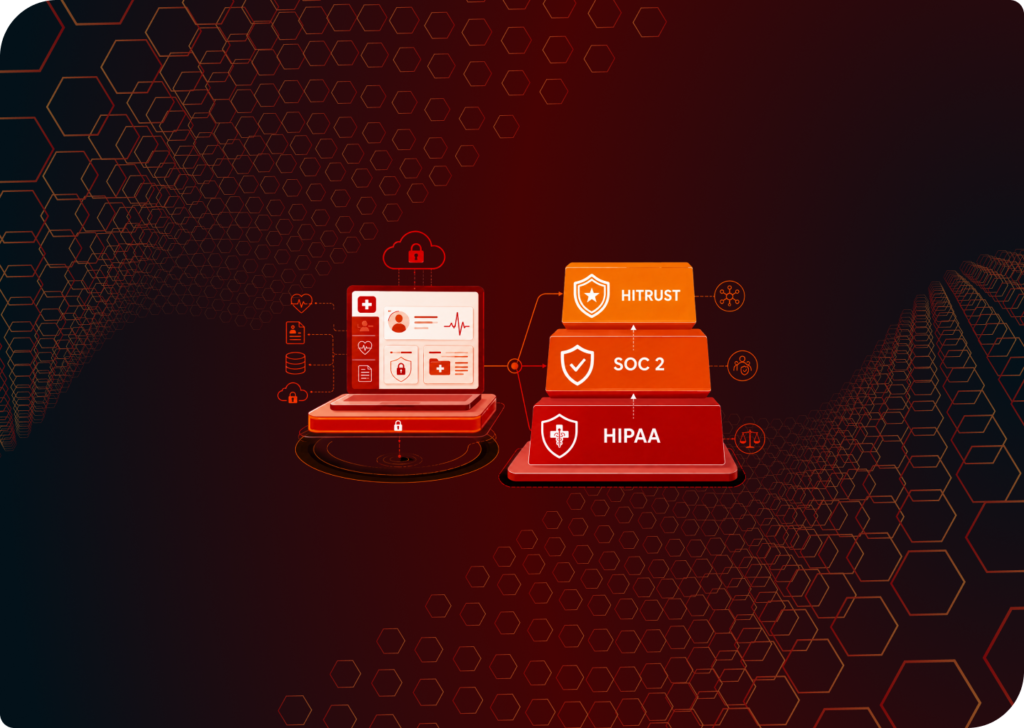
Startups have to think about preparing for HIPAA, HITRUST, and SOC 2 together, not individually. This guide explains how the three frameworks overlap and diverge, what SOC 2 Type II requires, when HITRUST is worth it, and how to sequence them so that you don’t have to pull off triple the amount of work.
SOC 2 vs HIPAA For Healthcare: Overlaps and Best Practices

Healthcare teams often treat a SOC 2 report as proof of HIPAA compliance. It is not. One is a federal law, while the other is an attestation that your controls are working. The gap between them is where OCR enforcement happens. This guide gives you a definitive answer to the SOC 2 vs HIPAA debate and the best practices to attain both.
Why Manual Penetration Testing Supports Your ISO 27001 Compliance Program
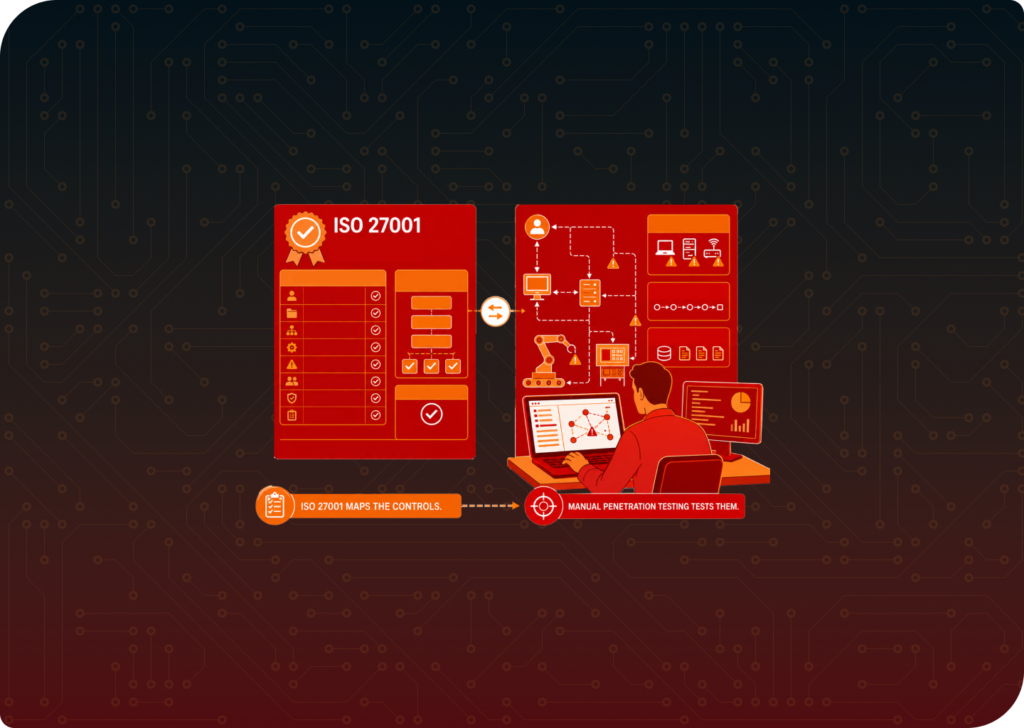
An ISO 27001 compliance certificate tells how well you manage your information security. It does not tell you whether an attacker can get in. This blog breaks down how ISO 27001 penetration testing is relevant, what auditors actually expect, and why manual testing is non-negotiable for compliance evidence.
HIPAA Compliance Requirements for Digital Health Startups
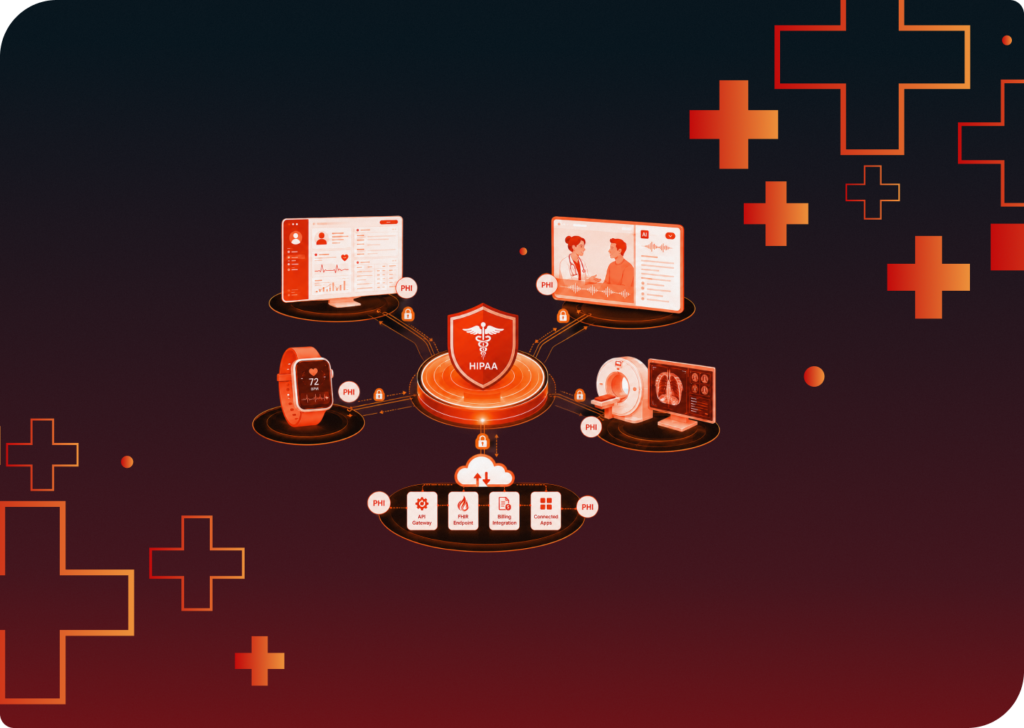
Digital health startups are increasingly becoming integrated in healthcare. But the focus is more on the engineering side than on compliance. As a result, startups are facing data breaches that are becoming more costly. Whether your product is EHR, imaging, AI scribing, or wearables, this blog will guide you through HIPAA’s compliance requirements.
BAA for HIPAA Compliant AI in Healthcare
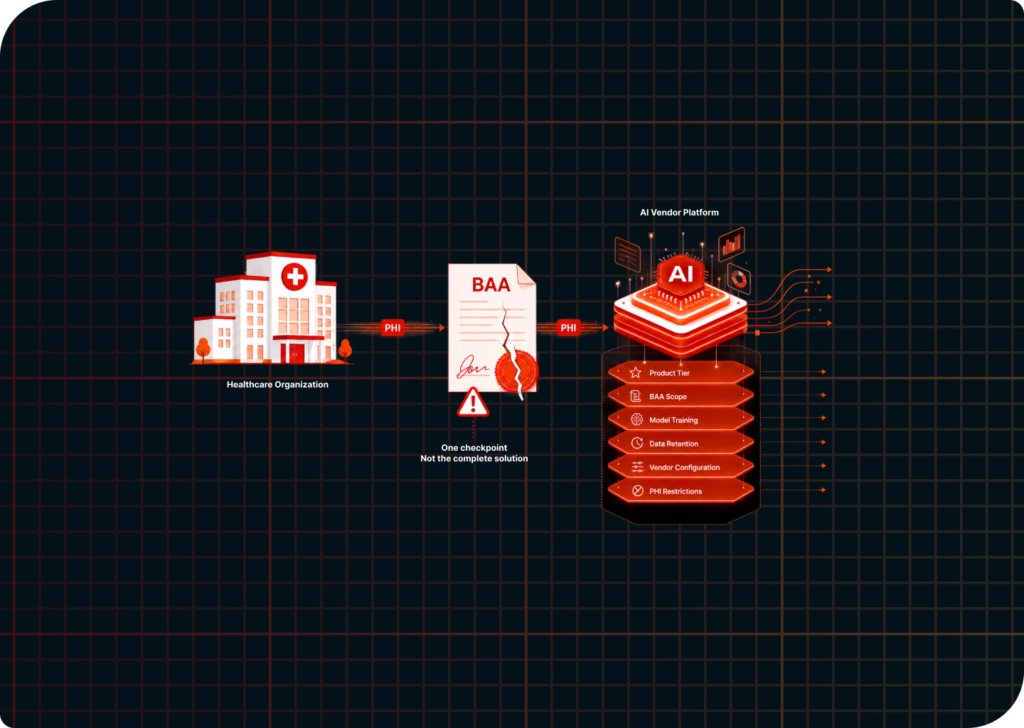
Hospitals are adopting AI faster than compliance can track. Apps like ambient scribes, diagnostic tools, and scheduling bots all touch PHI and are hence business associates. In such a scenario, BAA for HIPAA compliant AI is a must-have. And yet, just having a BAA won’t suffice anymore. In this blog, we talk about what provisions to have that make a BAA meaningful.