
CMMC Phase 2: A Readiness Guide for Michigan Manufacturers
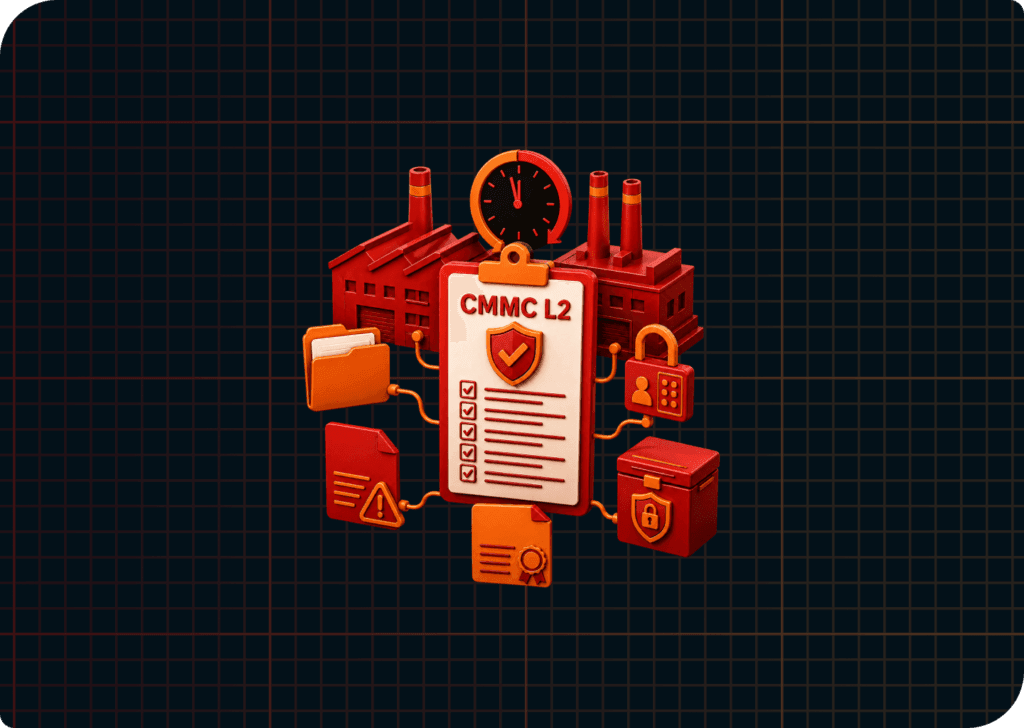
Starting November 10, 2026, defense manufacturers will have to prove they have the required security controls for CMMC Level 2 to remain eligible for DoW contract awards. While it may take 6 to 18 months for organizations to be compliance ready, this CMMC readiness guide covers what Level 2 demands and Michigan manufacturers can close the gap.
Securing ERP API Integrations: Prevent Vendor Apps from Exposing Supply Chain Data

API integrations in ERP are a bigger risk than anyone can anticipate. ERPs handle sensitive information about clients, finance, and machine specifications. A compromised vendor and underlying API vulnerabilities can wreak havoc. Manufacturing data breaches not only affect your production, but also the entire supply chain you cater to.
Securing CUI in the Cloud: CMMC Readiness for Manufacturing Web Portals
Manufacturing web portals weren’t built as compliance boundaries. Under CMMC 2.0, if your supplier portal or technical data exchange handles controlled unclassified information, it’s in scope, and a FedRAMP-authorized cloud doesn’t automatically make it compliant. Here’s what CMMC readiness actually requires for cloud-hosted manufacturing portals before a C3PAO shows up.
Prove IT/OT Segmentation in Manufacturing with Internal Network Pentesting
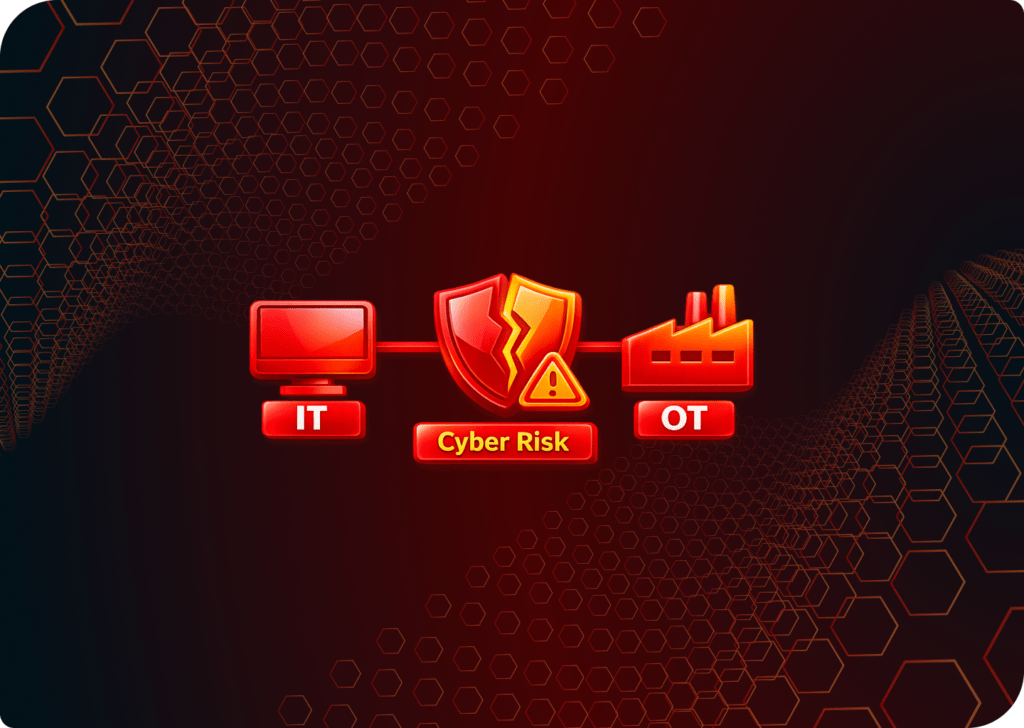
Manufacturing networks carry two high-value targets in the same building: the corporate IT environment and the OT systems running production. This blog explains what internal network pentesting actually tests, why assumed segmentation consistently fails, and how to produce verified proof that your IP is protected.
ISO 27001 Compliance Doesn’t Guarantee Operational Security

ISO 27001 compliance can create a false sense of security in manufacturing when certification is driven by policies, risk registers, and audit artifacts rather than operational validation. In this blog, we explain where the security gap forms, why certified manufacturers still fail to prevent real attacks, and how to bridge compliance to resilience using OT security guidance from NIST SP 800-82 and industrial security practices embedded in ISA/IEC 62443.