
How to Get SOC 2 Type II and HIPAA Compliance Right for Telehealth Vendors
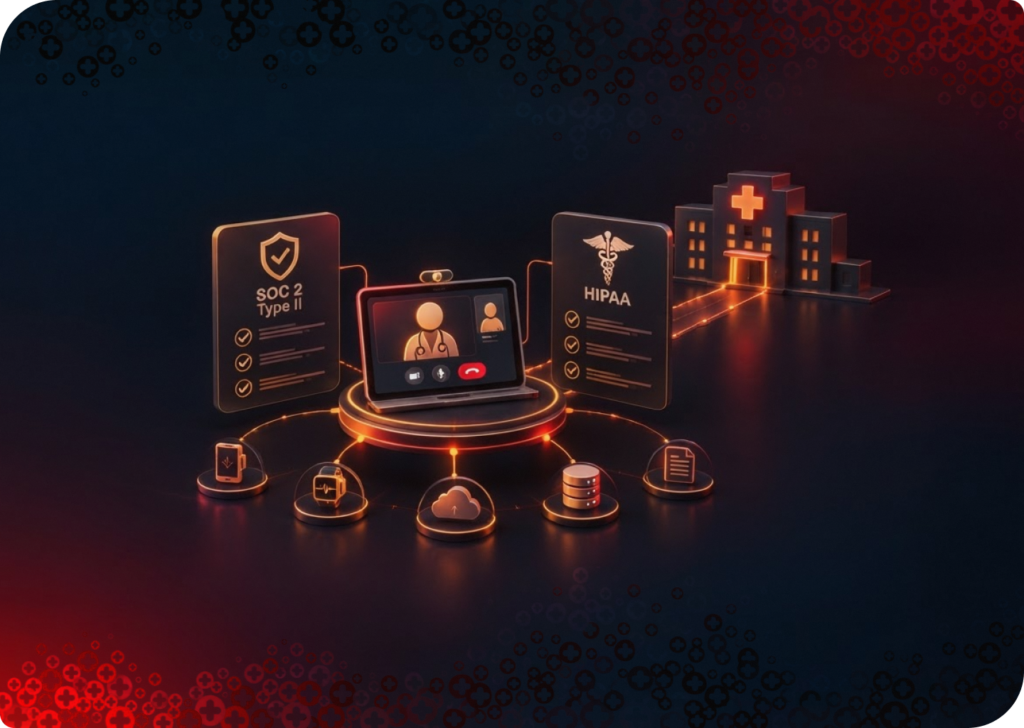
For telehealth vendors, SOC 2 Type II and HIPAA compliance are critical to passing hospital security reviews and securing contracts. But hospitals look beyond audit reports. They examine how your platform protects patient data, manages video recordings, handles AI tools, and controls third-party access. This guide explains what hospitals and auditors actually check, how SOC 2 and HIPAA requirements overlap, and how to prepare for both without duplicating compliance efforts.
HIPAA Compliant AEO Attribution: Win AI Search Without PHI Risk
Every time your healthcare brand appears in AI answers, patient data get leaks through the tools that helped it get there. Tracking pixels, AI writing tools, chatbots, and search monitoring platforms can expose PHI without ever publishing it. HIPAA compliant AEO requires securing the tools and workflows behind those AI search visibility.
How Does KLEAP Help with Your HIPAA, HITRUST or SOC 2 Compliance in Healthcare?
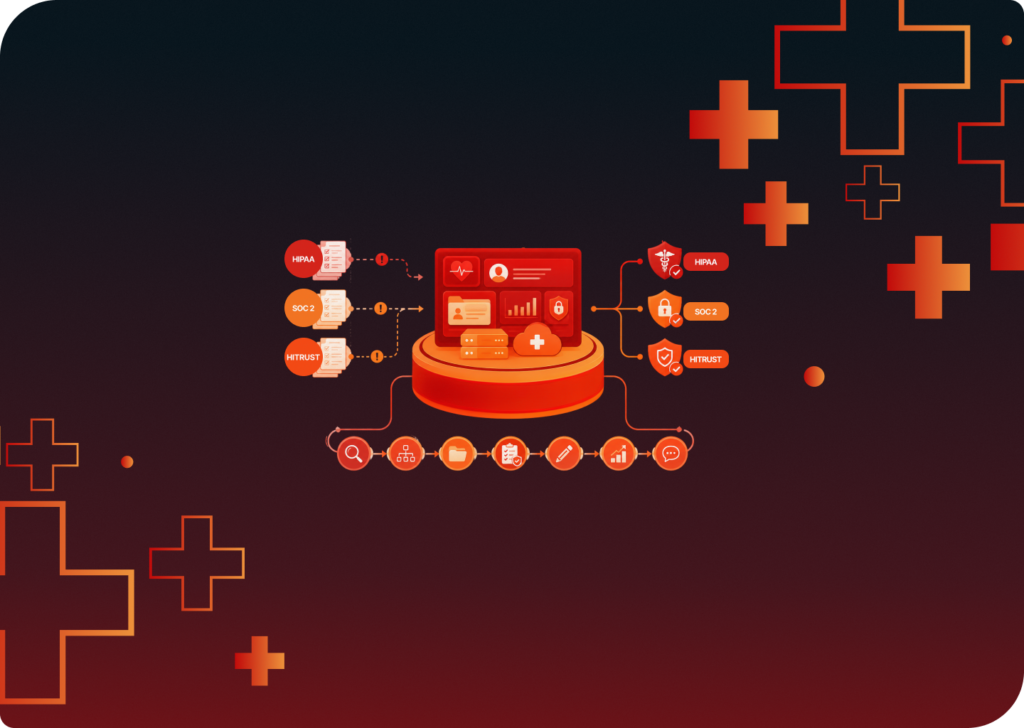
In this blog, we compare HIPAA, SOC 2, and HITRUST, answer the sequencing and audit-prep questions healthcare startups ask us most, and explain how KLEAP scopes requirements, assesses vendor risk, and closes gaps through manual penetration testing before an audit or a procurement review.
HIPAA Compliant AI in Healthcare: What Healthcare Security Teams Need to Check Before Deployment in 2026
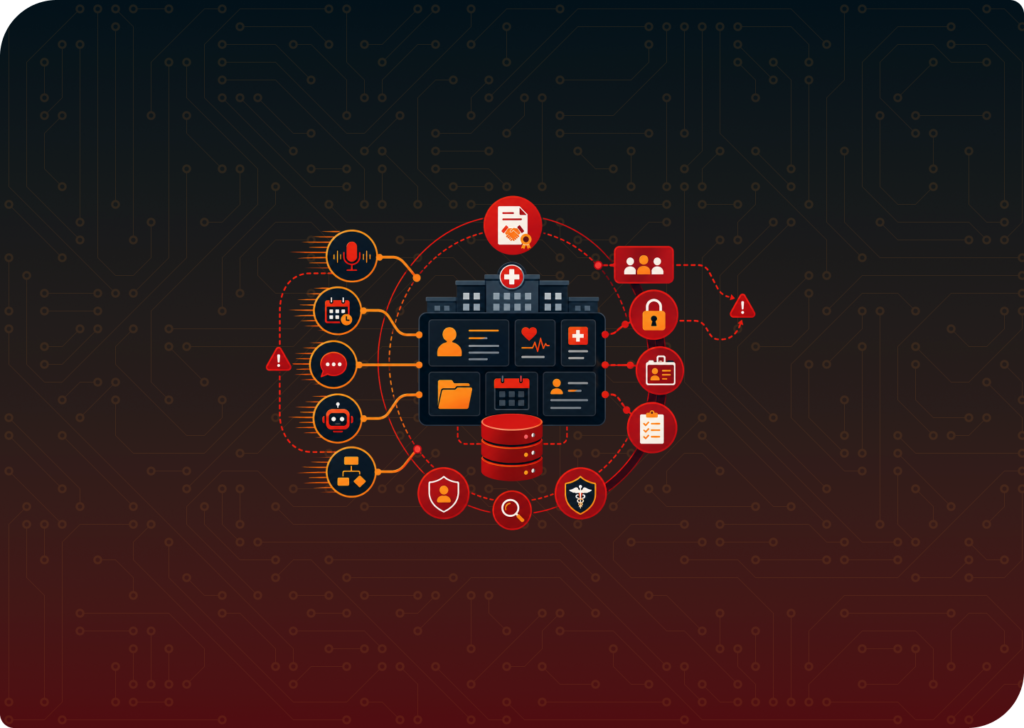
Healthcare teams can use AI tools and LLMs with PHI in a HIPAA-compliant way. But in 2026, AI HIPAA compliance depends on the deployment, not the model name or vendor claim. This guide explains how to evaluate HIPAA compliant AI tools, BAAs, data flows, access controls, model training, retention, third-party providers, and EMR integration with AI medical assistants before patient data enters the workflow.
Prioritization Between HITRUST, HIPAA & SOC 2 For Healthcare Startups
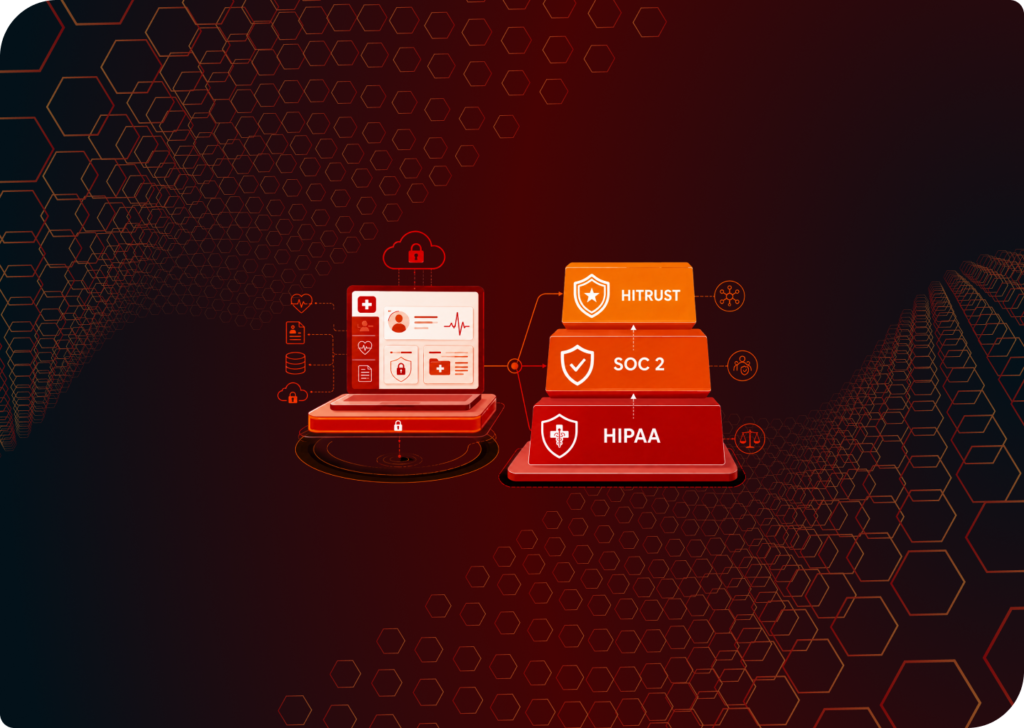
Startups have to think about preparing for HIPAA, HITRUST, and SOC 2 together, not individually. This guide explains how the three frameworks overlap and diverge, what SOC 2 Type II requires, when HITRUST is worth it, and how to sequence them so that you don’t have to pull off triple the amount of work.
SOC 2 vs HIPAA: What’s Different, What Overlaps & Do You Need Both?
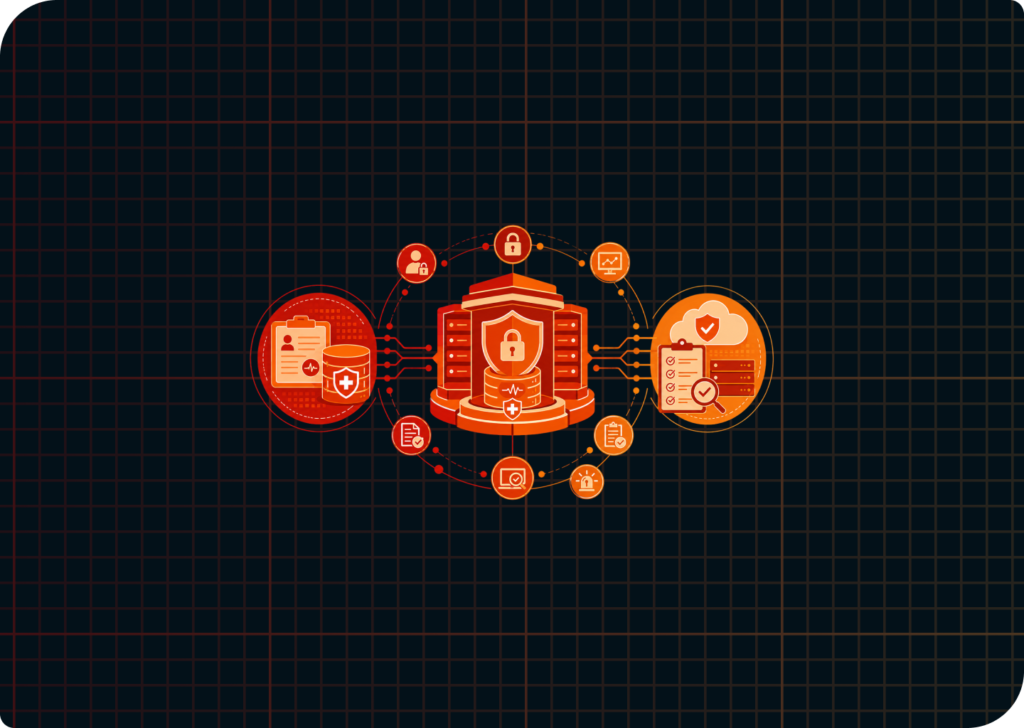
SOC 2 vs HIPAA is not an either-or decision. SOC 2 can cover much of the security work HIPAA requires, but it does not establish HIPAA compliance. Organizations that need both should reuse shared controls and evidence, then focus their effort on the HIPAA-specific gaps that SOC 2 leaves behind.
AI & HIPAA Violations: From Real-World Impact to Mitigating Security Risks
In the AI-era, negligence of organizations and ignorance of care providers are giving rise to new security risks. This blog investigates real-world reports, and charts a course through the deployment process, giving a step-by-step guide to meet HIPAA compliance.
HIPAA Compliance & Security for Federally Qualified Health Centers
Unlike other healthcare providers, Federally Qualified Health Centers operate on a fixed budget with severe staff shortage. Oversights, poor technical safeguards, and lack of personnel training make PHIs the most vulnerable target in an FQHC ecosystem. FQHCs need specialized safeguards and a system that makes them ready for HIPAA compliance.
Business Associate Agreement: A Compliance Guide for Healthcare Orgs
A BAA is a legal instrument; it assigns responsibility and creates liability, but it does not verify that a single security control has been implemented. This guide examines where BAAs fail in practice, what OCR enforcement actions reveal, and what IT teams need to do differently to make their vendor relationships genuinely defensible.
Penetration Testing Third-Party API Integrations for Healthcare

API integrations make healthcare systems more connected, but they also create quiet entry points into electronic health records. This blog covers the compliance gaps, attack paths, and practical testing steps healthcare organizations should address before connecting outside APIs to their systems.