
HIPAA Compliance for Healthcare Startups in the Research Triangle Park: A 2026 Guide

For healthcare startups in Research Triangle Park, North Carolina, HIPAA compliance does not always end with determining whether you are a covered entity or business associate. If you handle sensitive patient information, state privacy duties may still apply. The strongest approach to HIPAA compliance for healthcare startups is to map where patient data flows, assess risks regularly, review vendors carefully, and update controls whenever your systems or workflows change.
HIPAA Compliance Requirements for Digital Health Startups
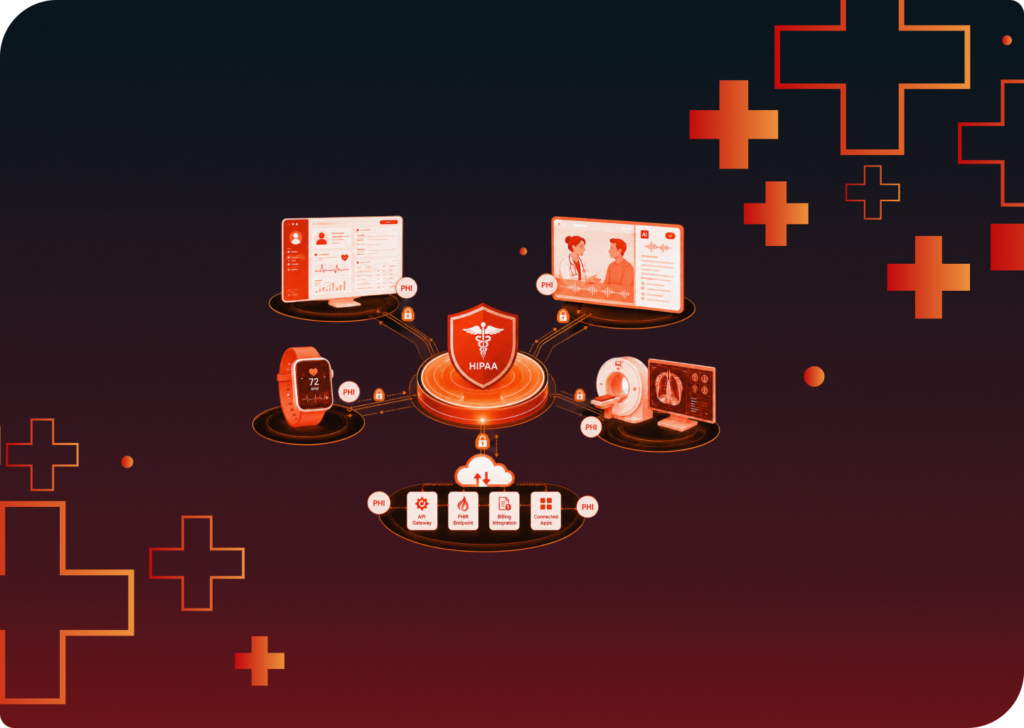
Digital health startups are increasingly becoming integrated in healthcare. But the focus is more on the engineering side than on compliance. As a result, startups are facing data breaches that are becoming more costly. Whether your product is EHR, imaging, AI scribing, or wearables, this blog will guide you through HIPAA’s compliance requirements.
BAA for HIPAA Compliant AI in Healthcare
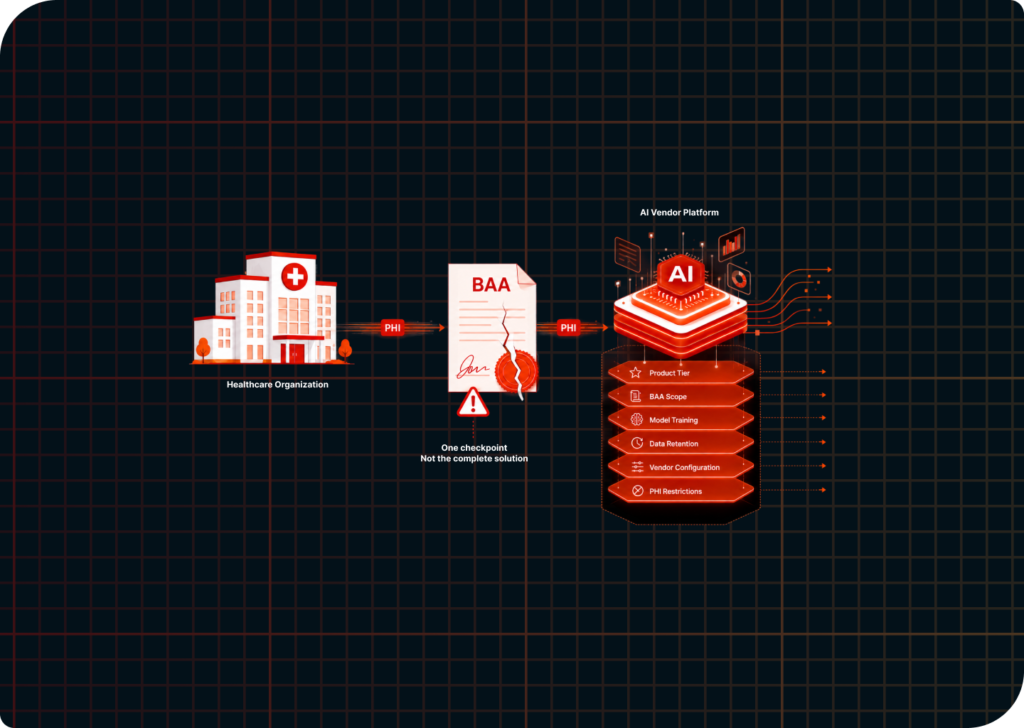
Hospitals are adopting AI faster than compliance can track. Apps like ambient scribes, diagnostic tools, and scheduling bots all touch PHI and are hence business associates. In such a scenario, BAA for HIPAA compliant AI is a must-have. And yet, just having a BAA won’t suffice anymore. In this blog, we talk about what provisions to have that make a BAA meaningful.
Practical Guide to Security Gap Analysis in Compliance
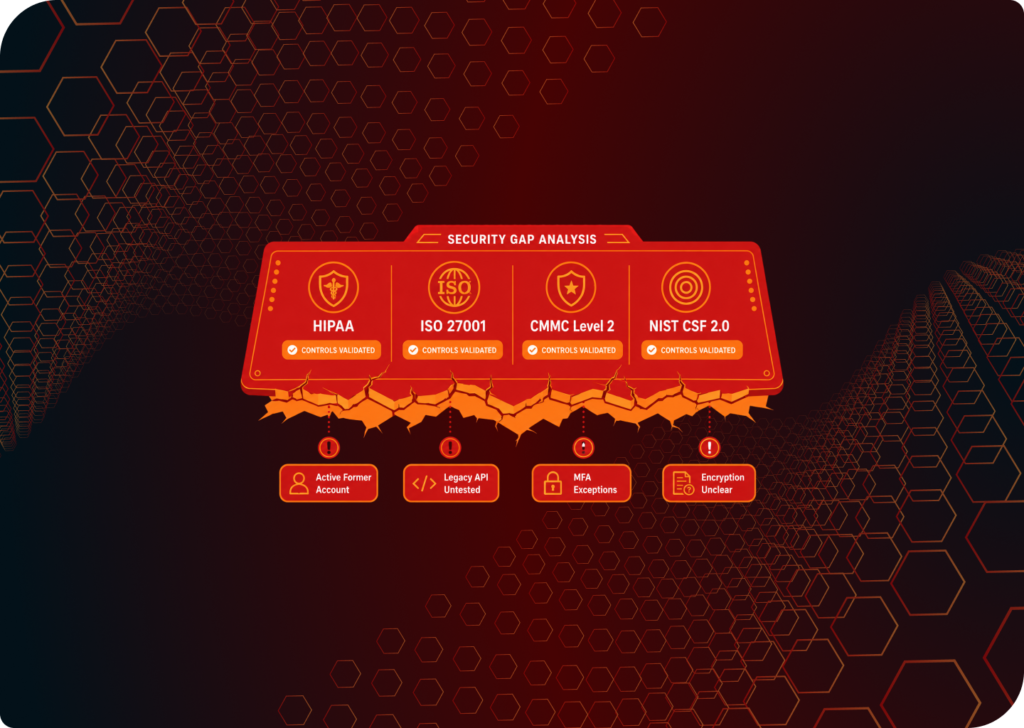
A security gap analysis isn’t a checklist, but a structured evaluation of where your controls stand against what your framework actually requires. It finds what automation platforms miss, what templated policies can’t prove, and what auditors will ask for. In this blog we talk about how it works and what to do after with the document in hand.